



'New M'sia' urged to set example by solving enforced disappearances
Malaysia has been urged to lead the way in solving enforced disappearances in the region by resurfacing missing pastor Raymond Koh, activist Amri Che Mat, as well as Joshua and Ruth Hilmy.
At a conference on the issue today, Ng Shui Meng, who became an activist after her Laotian husband went missing, said she had high hopes for Malaysia under the new Pakatan Harapan administration.
“For many of us (family members of victims), we are hoping that Malaysia will be contrary (to other Asian countries), and will show us that they can surface pastor Koh and any others who have disappeared...
Malaysia has been urged to lead the way in solving enforced disappearances in the region by resurfacing missing pastor Raymond Koh, activist Amri Che Mat, as well as Joshua and Ruth Hilmy.
At a conference on the issue today, Ng Shui Meng, who became an activist after her Laotian husband went missing, said she had high hopes for Malaysia under the new Pakatan Harapan administration.
“For many of us (family members of victims), we are hoping that Malaysia will be contrary (to other Asian countries), and will show us that they can surface pastor Koh and any others who have disappeared.
“In cases of enforced disappearances, it is (usually) extremely discouraging.
“If only one country, with the new government, can show that something can be done, I think it will give us a lot of hope,” she said.
An enforced disappearance is defined as the arrest, detention, abduction or any other form of deprivation of liberty by agents of the state or by persons, or groups of persons acting with the authorisation, support or acquiescence of the state.
Ng’s husband, rural community development worker Sombath Somphone, disappeared in Vientiane in 2012.
The conference was shown video footage of Somphone's car being approached by police officers and several vehicles on the night of his disappearance.
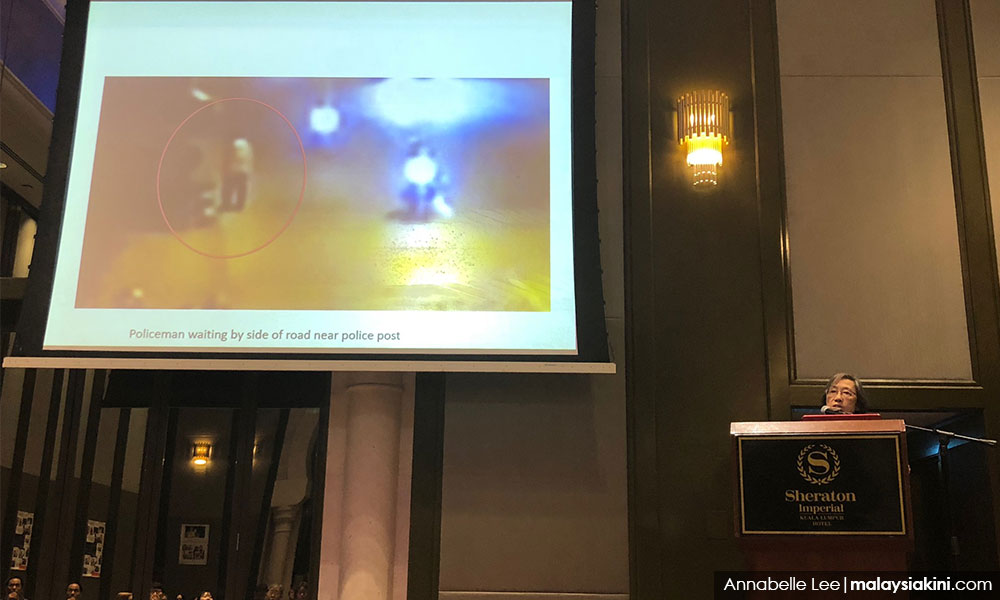
After almost six years, she claimed to have received few updates from the Laotian police and government on the fate of her husband.
NGO Citizens Against Enforced Disappearances (Caged) have alleged that the disappearances of Koh in 2017 and Amri and the Hilmys the year before are state-linked.
The Human Rights Commission (Suhakam) is presently holding public inquiries into these cases to determine if they were enforced disappearances.
Read more: Disclose number of alleged enforced disappearances, Suhakam urges gov't
Disappearances continuing
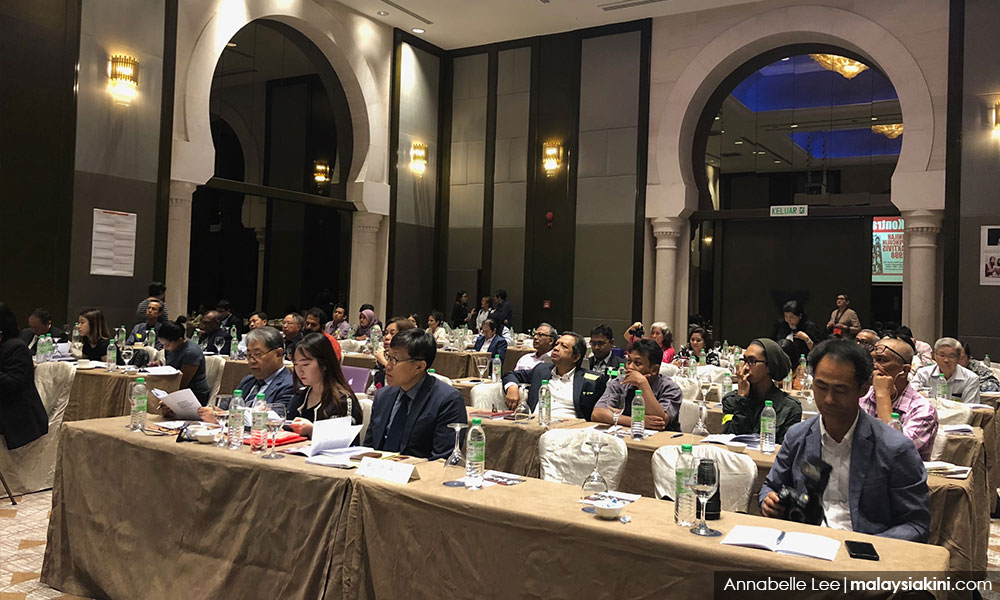
The conference heard that enforced disappearances occur in many Asian countries and that few of the perpetrators are ever held accountable, despite laws drafted to address the issue and regime changes.
Bangladesh had seen some 432 enforced disappearances since 2009, allegedly performed by police units against activists and opposition politicians.
In Indonesia, long-time cases of enforced disappearances, some stretching back to the New Order revolution in the 1960s, remained unsolved.
Such disappearances are said to still take place in the Philippines, allegedly perpetrated by the military, despite the existence of the Anti-Enforced or Involuntary Disappearances Act 2012 and testimonies from escaped victims.
The conference also heard that despite the government setting up the Office of Missing Persons in 2015, the families of some 60,000 Sri Lankan victims of enforced disappearances continued to be in the dark about the fate of their loved ones.
Bangladesh was represented by Asian Legal Resource Centre liaison officer Mohammad Ashrafuzzaman; Indonesia by Commission for the Disappeared and Victims of Violence (Kontras) coordinator Yati Andriyani; Philippines by Families of Victims of Involuntary Disappearance (Find) advocacy officer Celia Sevilla; and Sri Lanka by Right to Life Lanka Human Rights Centre’s D Jayanthi.
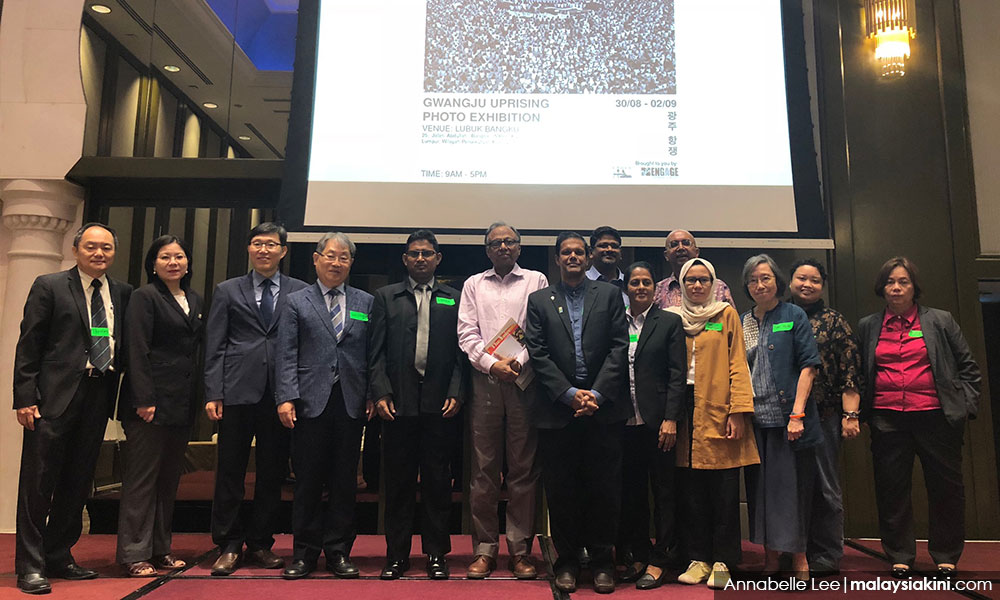
Today’s conference was organised by Caged and sponsored by South Korea's May 18 Memorial Foundation.


Are you sure you want to delete this comment?
This action cannot be undone.