



How ICSB got back Bandar M'sia after botched Najib-era deal
KINIGUIDE | The Bandar Malaysia real estate project will soon be restarted and surprisingly, it will involve a company that the previous Najib Abdul Razak-administration had axed.
This KiniGuide aims to provide a quick recap of how a Malaysia-China consortium got involved in the project and how the project relates to the 1MDB saga.
What is Bandar Malaysia?
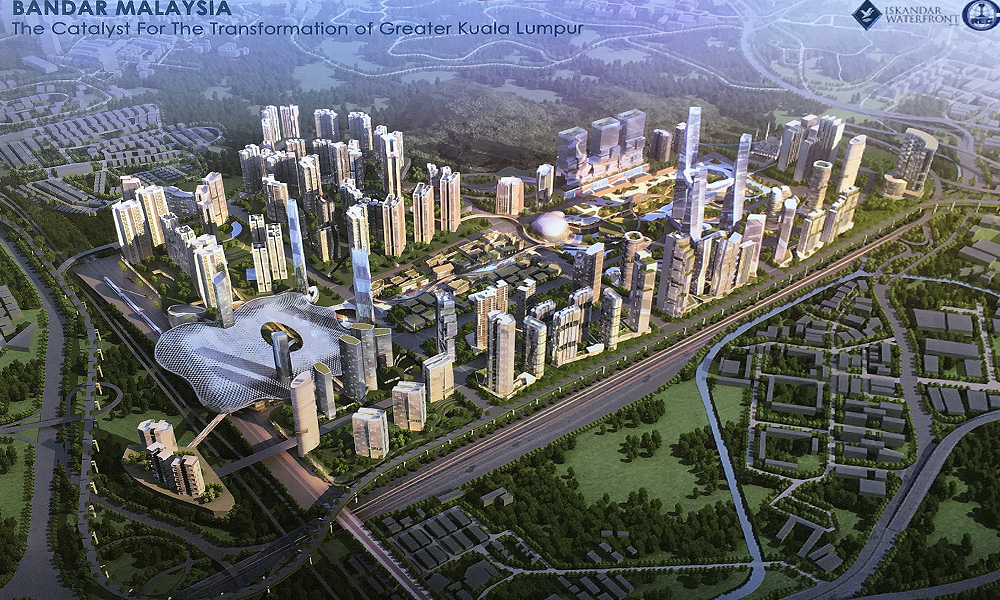
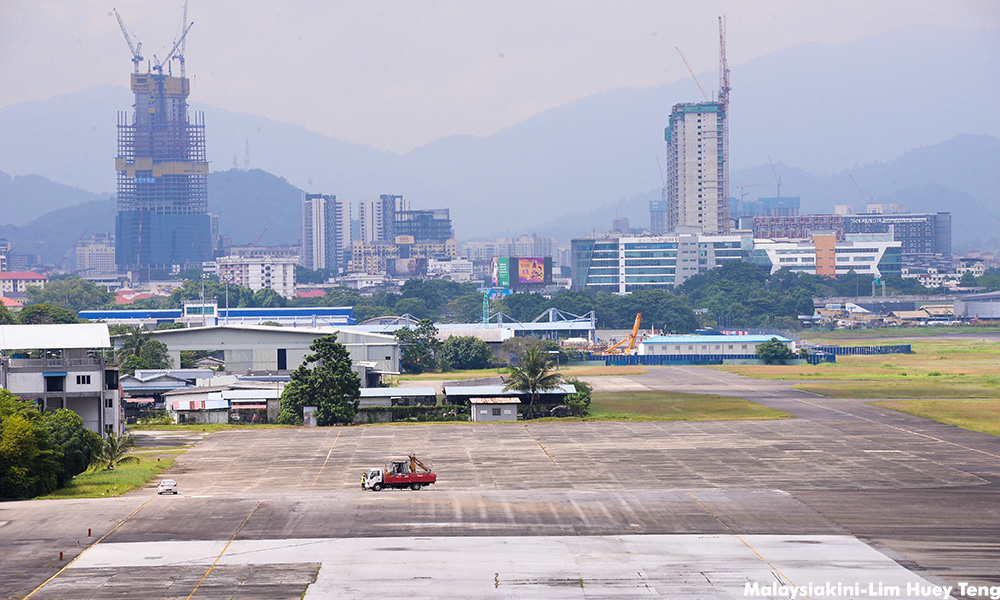
Bandar Malaysia is the name of a real estate project located in what is colloquially referred to as the Sungai Besi airport.
The centrepiece of the project was supposed to be the integrated transport hub, which will host the northernmost station for the now temporarily suspended Kuala Lumpur-Singapore High-Speed Rail project.
Other plans for the 196.7ha acre project includes facilities for business, tourism and residential units.
The project was supposed to be developed by 1MDB, but never took off...
KINIGUIDE | The Bandar Malaysia real estate project will soon be restarted and surprisingly, it will involve a company that the previous Najib Abdul Razak-administration had axed.
This KiniGuide aims to provide a quick recap of how a Malaysia-China consortium got involved in the project and how the project relates to the 1MDB saga.
What is Bandar Malaysia?
Bandar Malaysia is the name of a real estate project located in what is colloquially referred to as the Sungai Besi airport.
The centrepiece of the project was supposed to be the integrated transport hub, which will host the northernmost station for the now temporarily suspended Kuala Lumpur-Singapore High-Speed Rail project.
Other plans for the 196.7ha acre project includes facilities for business, tourism and residential units.
The project was supposed to be developed by 1MDB, but never took off.
What is 1MDB's role in the project?
1MDB, a wholly Finance Ministry-owned company, bought the land from the federal government in 2011 at RM1.7 billion (RM74 per sq ft).
Part of the deal involved 1MDB relocating the Sungai Besi airbase to Sendayan.
Following this, 1MDB sold its 60 percent stake in the Bandar Malaysia project to ICSB – a joint venture vehicle for Malaysia's Iskandar Waterfront Holdings (IWH) and China Railway Engineering Corporation (CREC).
ICSB won the bid through an open international tender process.
IWH is in turn a joint venture company between the privately-owned Credence Resources Sdn Bhd (60 percent) and Kumpulan Prasarana Rakyat Johor (40 percent), which is owned by the Johor state government.
Why didn't the project take off?
Officially, ICSB did not make good on its payment obligations for its 60 percent stake. At the time, 1MDB, through its subsidiary TRX City Sdn Bhd, claimed that this meant deal was off.
ICSB disputed the claim, but did not take legal action. Its RM741 million deposit was refunded.
Oddly enough, TRX City Sdn Bhd had announced that the deal was called off on May 3, 2017 – the very day that then-prime minister and 1MDB advisory board chairperson Najib was scheduled to visit Bandar Malaysia.
Who was responsible for the deal?
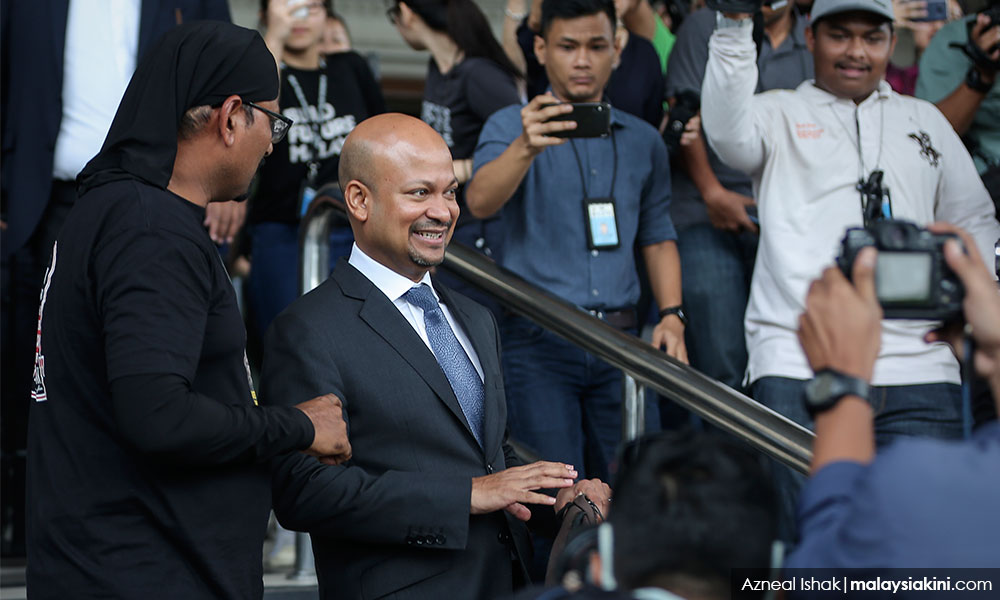
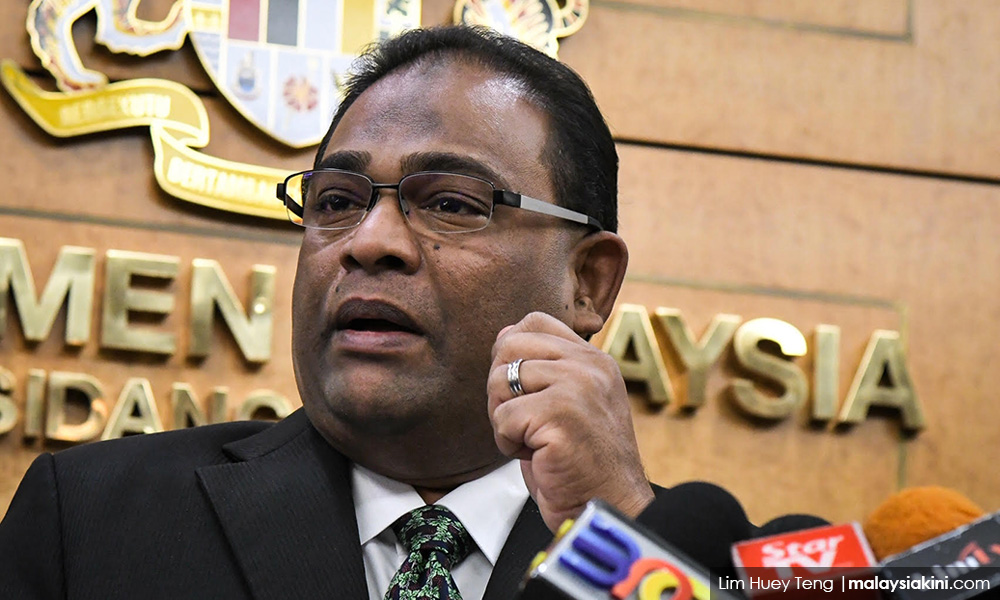
Technically, it should be then-1MDB boss Arul Kanda Kandasamy (below). He was both the head of Bandar Malaysia Sdn Bhd and a director at TRX City.
After the botched deal with ICSB, then-Treasury secretary-general Mohd Irwan Serigar Abdullah became the main spokesperson for Bandar Malaysia.
At the time, PKR vice-president Rafizi Ramli had speculated that Arul and Irwan were competing to see who could engineer a better Bandar Malaysia deal.
Irwan would later promise that new investors would take up the ICSB stake. At the time, Irwan said Putrajaya was eyeing Fortune 500 companies.
Two weeks after the deal with ICSB fell apart, Najib personally pitched Bandar Malaysia to China's mega-conglomerate Dalian Wanda, a Fortune 500 company.
The pitch was unsuccessful, and the Bandar Malaysia project – which the Najib administration touted as an "economic catalyst" – was quietly abandoned.
Why is ICSB good enough for the project now?
According to the Prime Minister's Office, ICSB has committed to making an advance payment of RM500 million, on top of an RM741 million deposit, within 60 days of the government reinstating the project.
There are some changes to the project as well.
Prime Minister Dr Mahathir Mohamad said the new plan will include a "people's park", 10,000 affordable homes up from 5,000 previously, more bumiputera participation, and priority for local suppliers.
What is Najib saying now that the project is reinstated?
Najib calls this is a "U-turn," because the Pakatan Harapan was previously opposed to the project, but had resumed what his administration had once started.
He also claimed that all the players are the same and so are the terms. The latter half of that statement cannot be verified, because it is uncertain if Putrajaya is using the same masterplan for the project.
Did Harapan once oppose Bandar Malaysia?
While criticisms were mostly directed at the Najib administration for allowing 1MDB to rack up RM42 billion in debt, part of the Harapan campaign against Najib at the time revolved around China's involvement in the affair.
Like the neighbouring Tun Razak Exchange (TRX) project, Bandar Malaysia was caught up in the 1MDB scandal because it was supposed to sell state land to generate money for the investment firm to pay off creditors.
Some Harapan leaders had criticised the Najib administration over CREC's involvement in Bandar Malaysia soon after selling 1MDB subsidiary Edra Global Energy to a Beijing-linked company (GLC), the China General Nuclear Power Corporation.


Are you sure you want to delete this comment?
This action cannot be undone.