


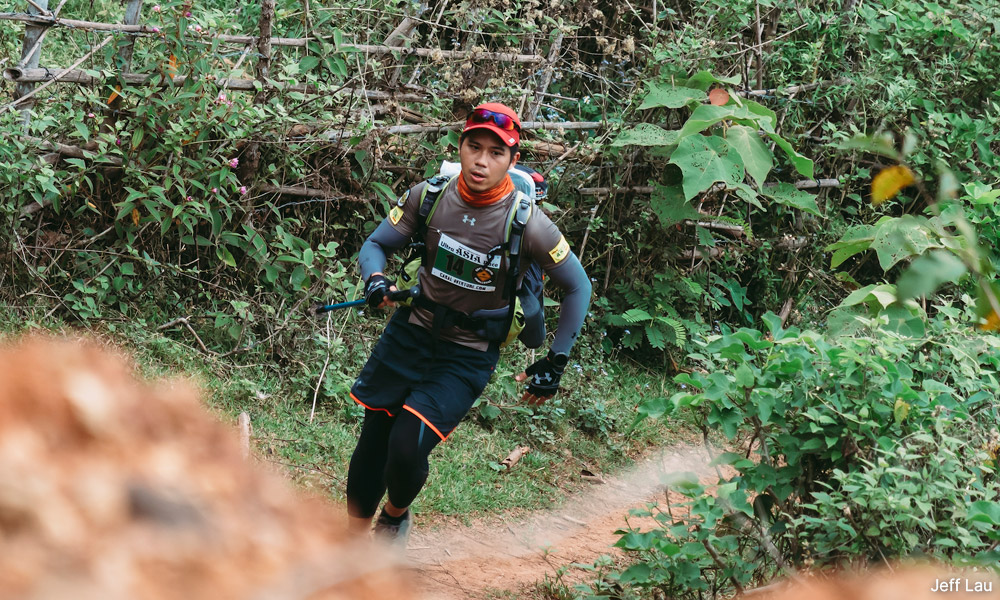

Ultramarathoner Jeff Lau runs to help fight HIV/Aids
MALAYSIANSKINI | Jeff Lau is not your typical jock who works out five hours a day to get into top physical shape nor is he a health nut who watches everything he eats, which is what one might expect from someone who runs ultramarathons.
As it turns out, Lau is a regular guy working as a freelance illustrator who wanted to do something more with his life and that desire led him to go the distance. In the case of an ultramarathon, that’s longer than the traditional marathon length of 42.195km. So this type of footrace is not for your everyday casual jogger or brisk walker.
Not only does this out-and-out KL boy have the physical and mental fitness for such a feat, but he has a healthy sense of humour too as he joked: “I am Malaysian, I don’t do sports.”
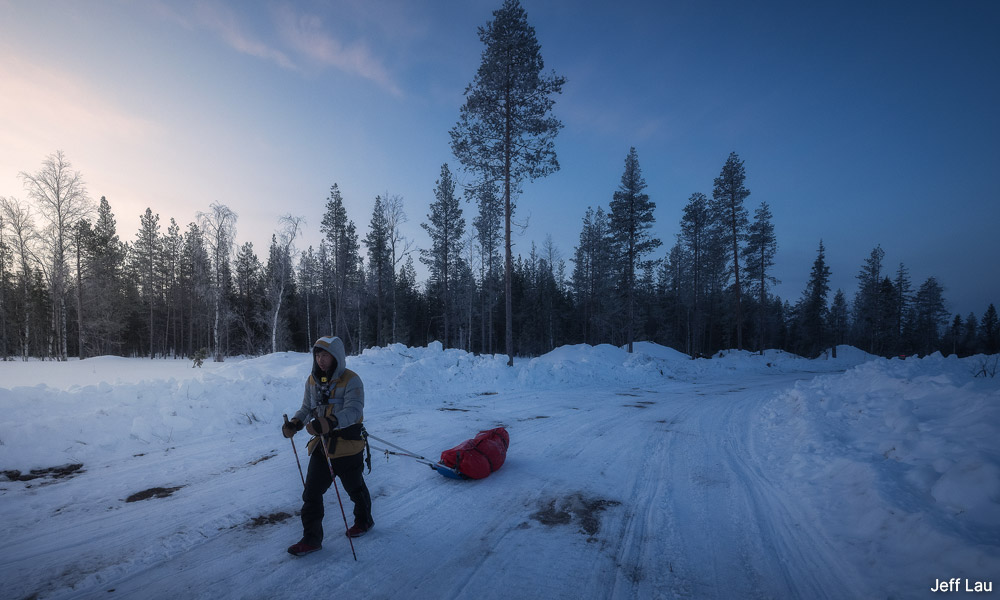
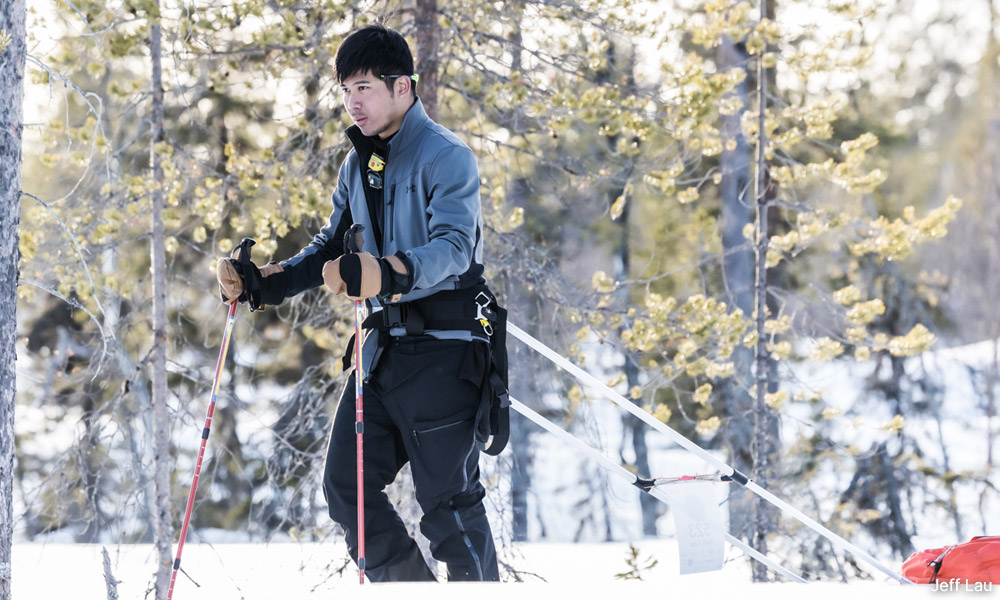
Lau's latest completed race was the Montane Lapland Arctic Ultra in the Swedish Arctic in March.
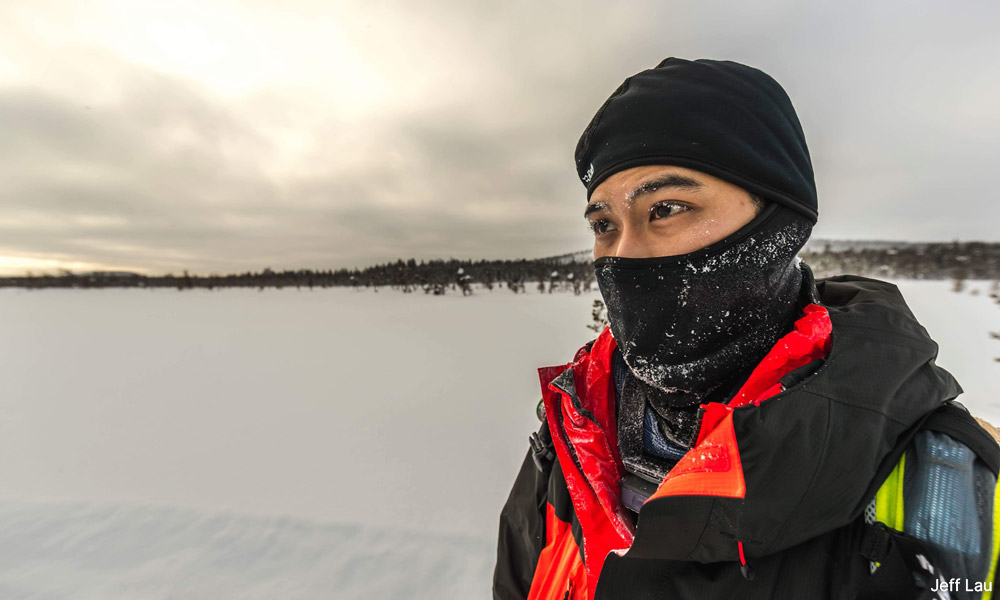
This gruelling 500km race in minus 30 degrees Celsius is not for the faint-hearted, but it was something a person like Lau was willing to go through to raise money for the Paediatric Aids Fund, a programme that helps keep...
MALAYSIANSKINI | Jeff Lau is not your typical jock who works out five hours a day to get into top physical shape nor is he a health nut who watches everything he eats, which is what one might expect from someone who runs ultramarathons.
As it turns out, Lau is a regular guy working as a freelance illustrator who wanted to do something more with his life and that desire led him to go the distance. In the case of an ultramarathon, that’s longer than the traditional marathon length of 42.195km. So this type of footrace is not for your everyday casual jogger or brisk walker.
Not only does this out-and-out KL boy have the physical and mental fitness for such a feat, but he has a healthy sense of humour too as he joked: “I am Malaysian, I don’t do sports.”
Lau's latest completed race was the Montane Lapland Arctic Ultra in the Swedish Arctic in March.
This gruelling 500km race in minus 30 degrees Celsius is not for the faint-hearted, but it was something a person like Lau was willing to go through to raise money for the Paediatric Aids Fund, a programme that helps keep children living with or affected by HIV in school.
The programme is run by the Malaysian Aids Foundation (MAF) and Lau is a MAF Red Ribbon Youth icon who has been fundraising for the foundation since 2014.
“We collected around RM10,000 this year. It is not great but it is better than nothing,” he said, adding that it was mostly through crowdfunding.
In pre-pandemic times, the MAF would write letters to corporations seeking support for his campaign.
“We could easily collect RM100,000 to RM200,000. After that, we would organise a fun run and part of the registration fee would go to charity. The corporations would set up booths (at the event) to promote their products and services,” he explained.
HIV/Aids still taboo
When asked why he chose to help raise funds for the Paediatric Aids Fund, Lau said it’s because Aids is a serious issue.
“As a Red Ribbon Youth icon, I promote safe sex and the right knowledge. These children have done nothing wrong but they are born with HIV because of their parents.”
He said children are the future of this country. HIV and Aids are still taboo topics and people continue to act as though not talking about them would cause the virus and disease to cease to exist.
“People getting infected by HIV are getting younger and younger. They are meeting people through dating apps and know nothing about safe sex.
"They think that you wear a condom to avoid pregnancy, but it is more than that. They are too shy to buy condoms at a convenience shop.
“What I have been doing since 2014 is help deliver awareness through the media and social media. Hopefully one day we can end Aids,” he added.
Taking a run at it
So what attracted Lau to ultramarathons and events that push people to the edge?
Before ultramarathons, Lau regularly went for 10km jogs on Sundays, but an incident nine years ago gave him a new purpose in life.
"In 2013, I injured my knee ligament. I went through surgery to replace it and physiotherapy. It is only when you lose something do you learn to appreciate it.
"So during the recovery period, I told people I wanted to do something good when I recovered.
"I was talking to a friend and he suggested I take part in the 200km marathon in the Sahara and help raise funds for a charity, which was the MAF,” Lau said, referring to his first ultramarathon - the Marathon des Sables in the Morocco Sahara Desert.
“My friend was a trustee of the MAF. I had never taken part in any marathon before and so I had no idea about how to prepare for a 250km race.”
But he did it anyway and has since started taking part in ultramarathons to help raise money for charity.
After that first ultramarathon, he continued his studies in Melbourne.
“Once I graduated, the foundation contacted me and asked if I wanted to do another ultramarathon. I said okay,” shared Lau, who holds a degree in communication design from the Royal Melbourne Institute of Technology.
Pandemic break
Since 2017, he has been taking part in one or two ultramarathons yearly but had to stop due to the Covid-19 pandemic.
“Montane Lapland Arctic Ultra was my first ultramarathon in two years," he said.
For the Lapland run, the 32-year-old said you can choose to go on foot, ski or cycle the 500km. He chose to go on foot.
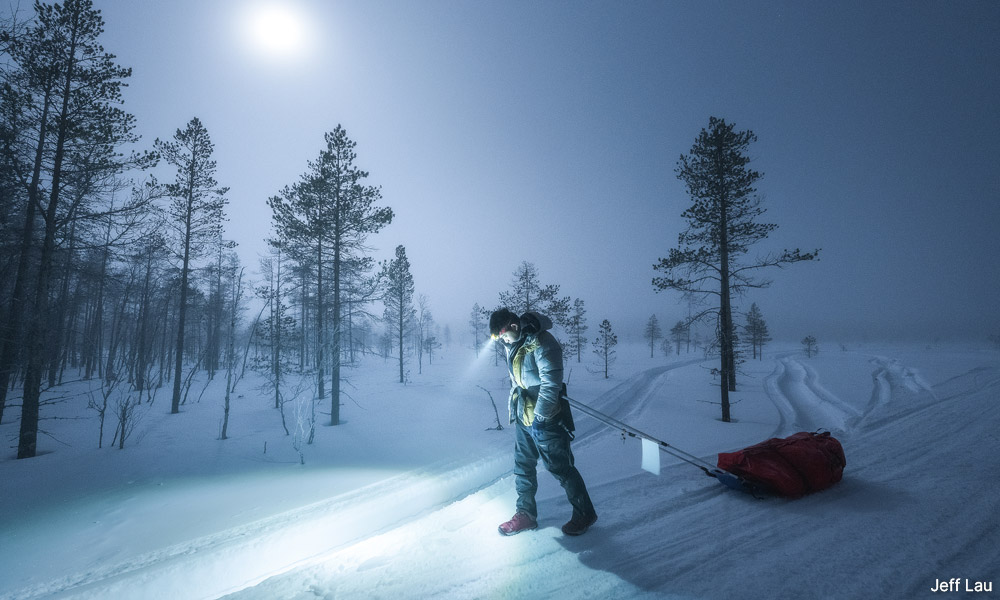
Explaining his preparation for each race, Lau said: “For me, I just do my homework and ensure my fitness level is up for the race. I must make sure I wear the right gear for the weather.”
He would fly a week earlier to the country where the race is being held to try on the gear and also make sure his body gets used to the climate.
Racing on instant noodles
On his diet during the race in Sweden, Lau said he needed 2,000 to 3,000 calories a day due to the cold weather.
"I brought hydrated food which you have to add water to before eating. They taste gross but they are high in calories,” he added.
To ensure he gets his vital vitamins and minerals, Lau relies on supplements.
“The organiser prepares food at certain checkpoints. For this race, they served reindeer meat. Like it or not, you have to eat it or eat the food you brought.
"I carried some instant noodles with me. In a race like this, our body is too exhausted and so we don’t have an appetite. So you need something tasty and salty to bring it back,” said Lau who also favours chocolate-covered dates and salty chips.
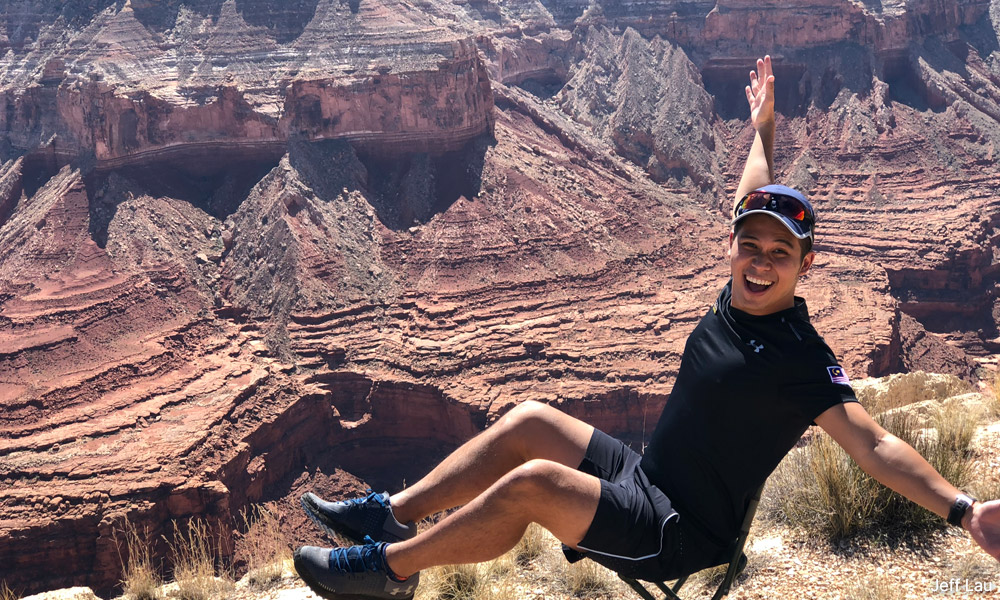
When racing in extremely hot conditions such as the Sahara, Lau described the challenge as different.
"It is like 50 degrees Celsius. It is like being in an oven. The humidity is only two or three percent. So, if we lose too much salt in our body we will end up experiencing cramps. We have to eat a salt tablet every 10km.”
Naturally, he carries instant noodles with him for all his ultramarathons, be it races across icy tundra, deserts or even rainforests.
“All these races are self-supported or self-sufficient races. For the entire seven to 10 days, you need to carry your food in your backpack. It has to be lightweight and so instant noodles are the best choice.”
He said some competitors, especially those from the West, like to carry powdered mashed potatoes, breakfast porridge and granola. However, none of these food items is palatable to Lau.
Fitness training
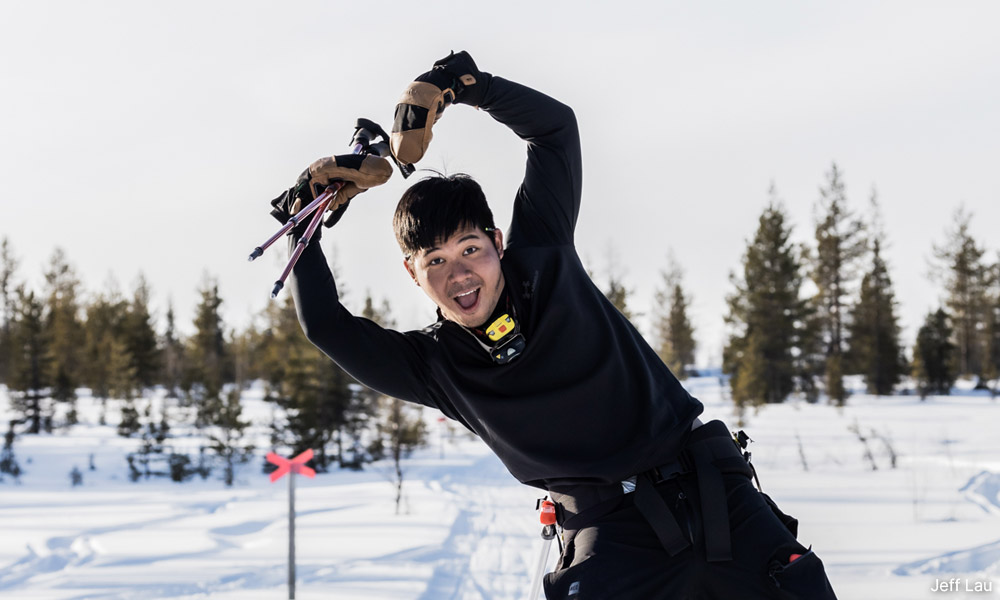
“I am not a professional athlete, I am a leisure athlete. I do 7km or 10km runs and I go to the gym for yoga or some other classes. I don’t go crazy and work out every day.
“For the race, I need three to five months to prepare," he said.
This includes learning about the race, the rules and regulations, and getting paperwork in order, such as visas.
“When I first started, I trained by myself. I would just run and run and it turned out that wasn’t enough. Here I would run on the road, but there I had to run on sand dunes.
“So some fitness centres started to sponsor me with personal training sessions.”
The fitness centres would design a training session to fit Lau’s races, taking into account factors such as the altitude, and he would undergo training twice a week. The rest of the week he would train by himself.
When asked when his next race would be, Lau said he did not know yet as taking part in these races is not cheap and he needs to get sponsors. Hopefully, he finds one so that he can continue with his efforts in raising money for a good cause.
Malaysianskini is a series on Malaysians you should know.
Previously featured:
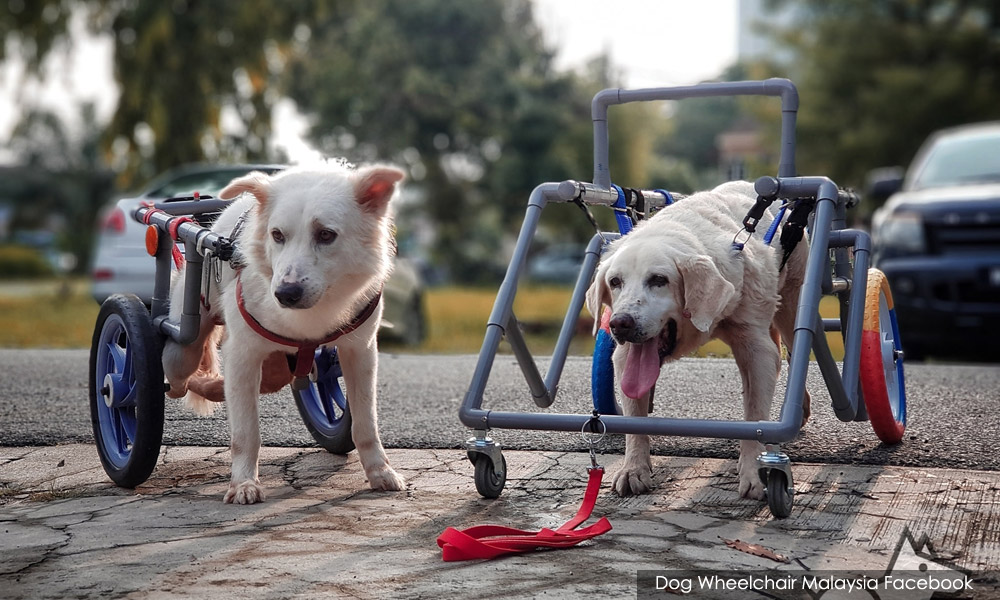
Dog wheelchairs - One man's mission to help paralysed pets
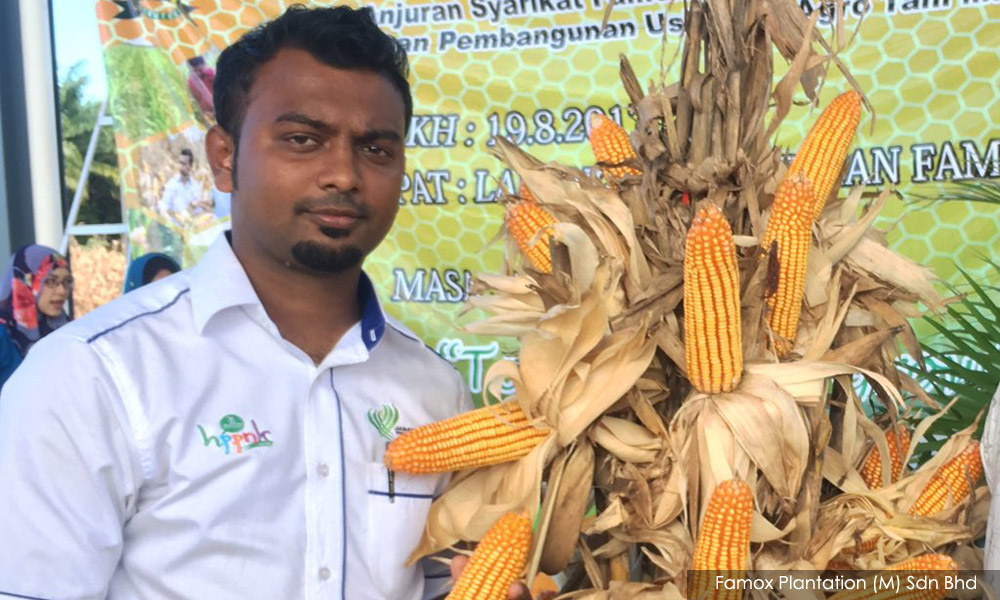
Pilot turned farmer finds 'corny' niche
Pulitzer winner Marcus Yam risks life for shots on the ground
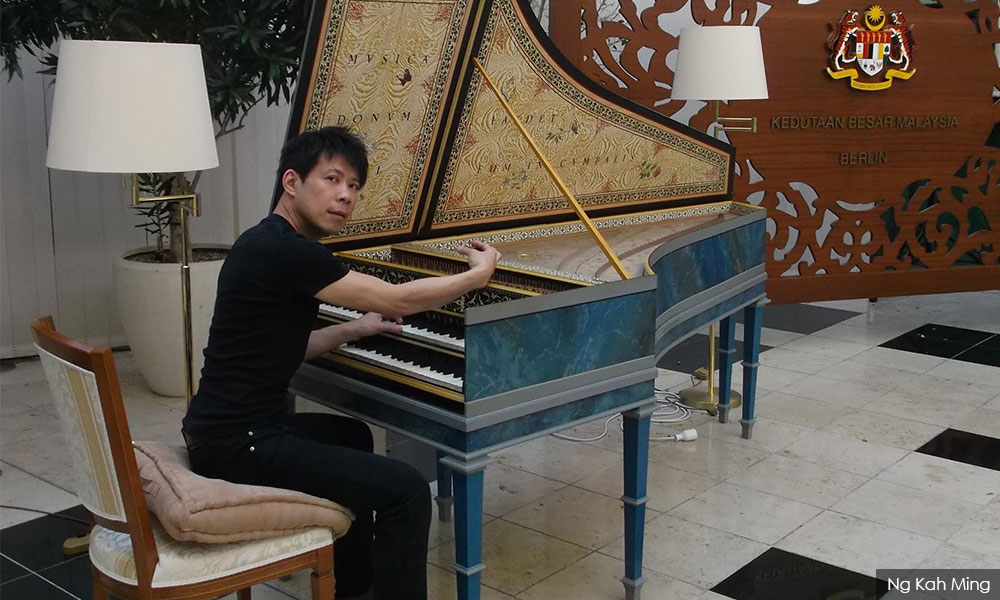
Harpsichordist to the stars Ng Kah Ming strikes right chord
It's about creativity, not glamour, for screenwriter Yasmin Yaacob
Halal Hemp: Tengku Chanela leads the way for marijuana reforms
Rashid Salleh comes full circle with Iban sitcom Tembawai Kanyuk
Given a year to live, Swathi has just turned five
Underwater meadows: Jillian Ooi merges science and art to save seagrass
No job too small or big for writer, baker, undertaker Hasrul Rizwan


Report this comment
Are you sure you want to delete this comment?
This action cannot be undone.