


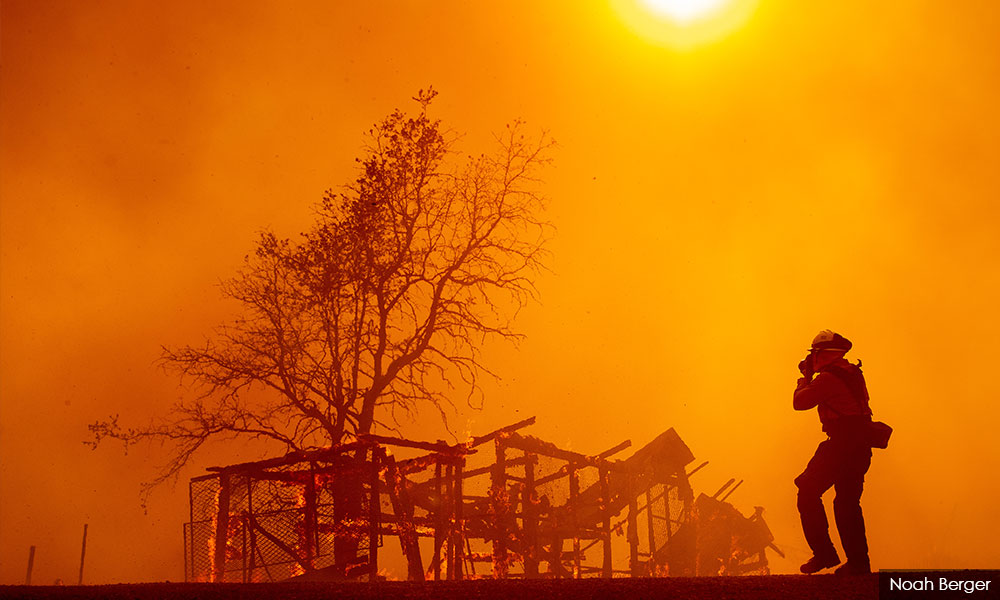

Pulitzer winner Marcus Yam risks life for shots on the ground
After all, it was the third time he gained a share of this prestigious award and Yam has been at the forefront of his profession for some time now.
Even so, this is nothing to take for granted.
This is a man who was born in Kuala Lumpur and spent his teenage years in the relatively suburban Subang Jaya. He then went off to the US to study aerospace engineering at the University at Buffalo in New York, but after graduating, he took a sharp turn to photojournalism.
It's not just any sort of photojournalism but the kind that puts him on the scene, and at the heart, of the world’s biggest conflicts.
Today, as this article comes out, Yam is in Donbas, Ukraine, risking his life to bring stories from the warzone to the rest of the world.
Last year, it was Kabul and the...
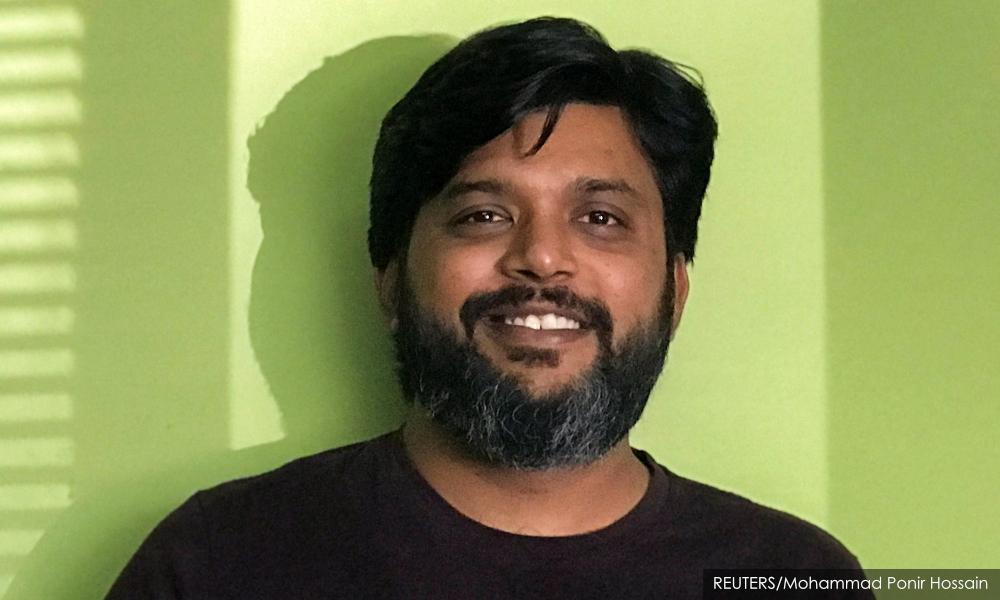
MALAYSIANSKINI | When the news broke last month that foreign correspondent and photojournalist Marcus Yam won a Pulitzer Prize again, it was perhaps not even a surprise anymore.
After all, it was the third time he gained a share of this prestigious award and Yam has been at the forefront of his profession for some time now.
Even so, this is nothing to take for granted.
This is a man who was born in Kuala Lumpur and spent his teenage years in the relatively suburban Subang Jaya. He then went off to the US to study aerospace engineering at the University at Buffalo in New York, but after graduating, he took a sharp turn to photojournalism.
It’s not just any sort of photojournalism but the kind that puts him on the scene, and at the heart, of the world’s biggest conflicts.
Today, as this article comes out, Yam is in Donbas, Ukraine, risking his life to bring stories from the warzone to the rest of the world.
Last year, it was Kabul and the fall of the US-backed regime to the Taliban that eventually bagged this Los Angeles Times photographer the Pulitzer Prize for breaking news photography.
In 2015, he won for his coverage of the San Bernardino terrorist attacks in California, while the previous year he also bagged the prize as part of the Seattle Times team reporting on deadly landslides in Oso, Washington.
Apart from Pulitzers, Yam was awarded the Robert F Kennedy Human Rights Journalism Award in 2019, for his unflinching body of work documenting the everyday plight of Palestinians during deadly clashes in the Gaza Strip.
He has also bagged an Emmy Award for news and documentary.
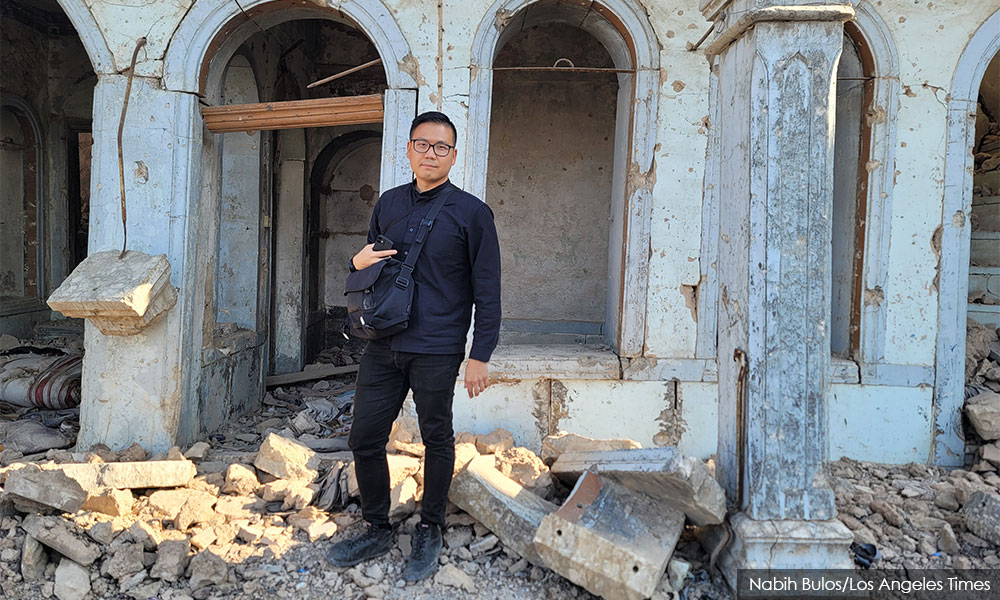
And even after Pulitzer more awards are coming his way. He was just awarded the 2022 RFK award for the same Afghanistan coverage, and in two weeks, will be a recipient of the Daniel Pearl Award for courage and integrity!
However, as he explains in his own words from war-torn Ukraine, the recognitions he has received were not the motivation behind his extraordinary journey:
To be honest, I didn’t switch careers because I disliked aerospace engineering. In fact, I loved it. But I ended up stumbling into photography and discovered my calling.
Life is much more meaningful that way. I tell people, don’t just do what you love, you have to love what you do.
When I was a student graduating as an aerospace engineer many moons ago, John Davis, the then design director at the Buffalo News, reached out and told me that I ought to consider photojournalism as a career.
I laughed at the idea and thought my future was to continue as an engineer, buy a boat, and go fishing.
Davis thought otherwise and challenged me: He offered me a photo internship at the Buffalo News – told me that if I didn’t like it, I could return to my path to becoming an aerospace engineer and forget this ever happened.
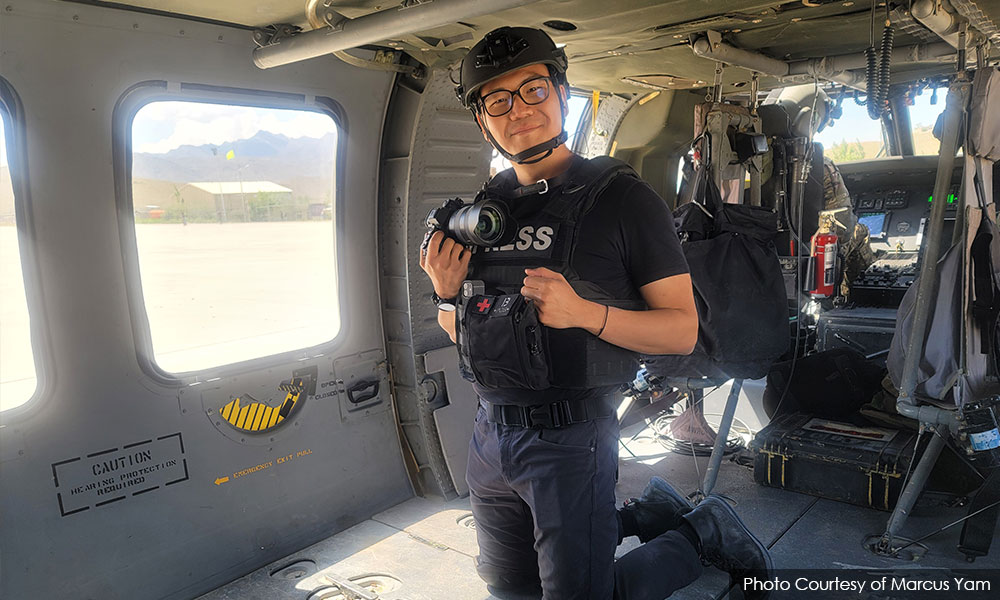
Davis insisted that I had something special. I could not say no to that challenge.
Through that newspaper internship, I gained introspection about myself and discovered what I was meant to do for the rest of my life. I felt fear, anxiety, and excitement, all at the same time. It was like the stars aligned for me. He changed my life at a pivotal moment.
During this transition, he was the first of many people who believed and invested in me. I have been really lucky and I am completely indebted to folks like him for helping me grow into the photographer I am right now.
Sometimes all it takes is one person to show you where to stand in the universe before you go chasing stars.
I’m here in Ukraine to continue our Los Angeles Times coverage of the ongoing war, which has evolved and shifted to the East.
I was here at the beginning of the war. I would like to be here when the war ends.
My goal in photography has always been to take viewers to the frontlines of conflict, struggle, and intimacy. And conflict doesn’t necessarily mean warzones or foreign lands.
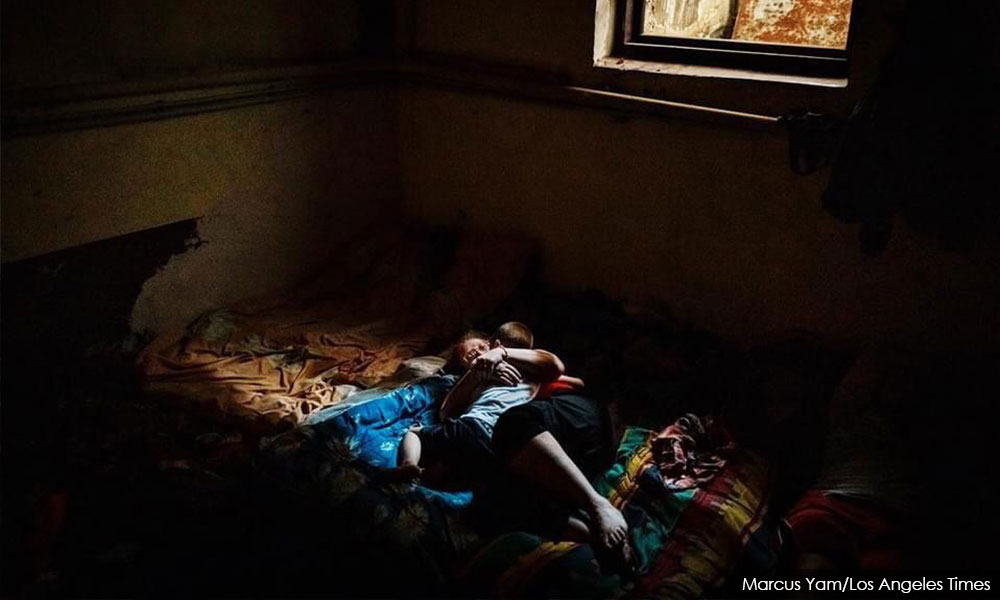
It could mean turmoil of the heart, it could mean grief, and it could also be what ails society.
I find that the role of photojournalists is to connect viewers to the plight of people they normally would not connect with, to create a sense of understanding and empathy for the world outside their normal lives.
Fostering that sense of humanity would eventually make our world a more civic and understanding place to live.
I have had friends lose their lives or get hurt doing their job. It’s not easy to process.
I had a great start to my career after my internships at The Washington Post and the New York Times. I ended up with a lucrative freelance career in NYC.
I worked every day. I lived in one of the biggest cities in America. And I was young and hungry. At some point, Michele McNally, assistant managing editor of the Times, asked me if I knew why I wanted to become a photographer.
She could see I had not answered that existential question for myself. That conversation sent me on a quest.
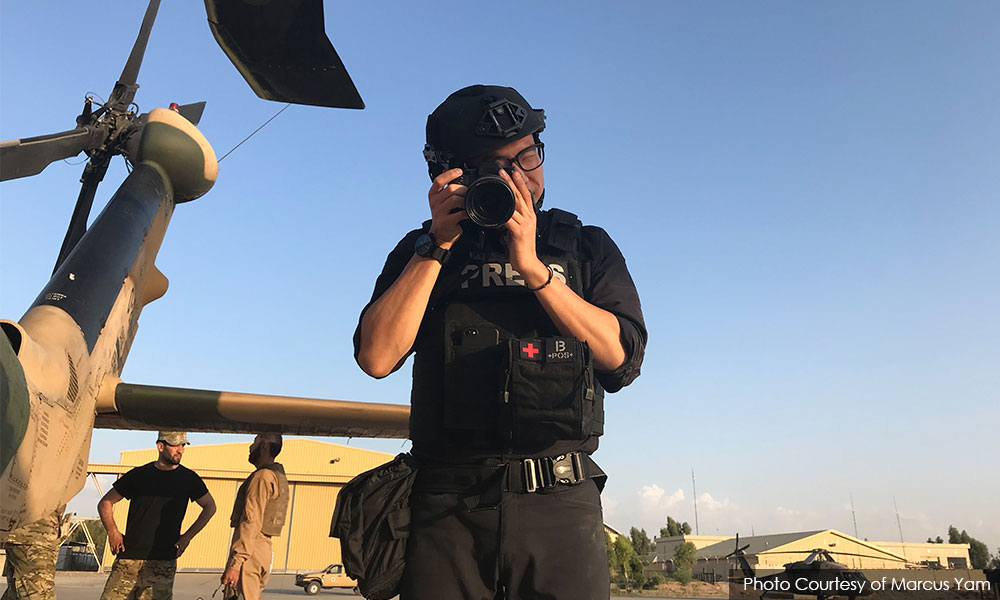
So I left New York and took a three-year position at the Seattle Times. Why? I wanted to grow. Oftentimes, success and personal growth don’t go hand in hand.
After three years in New York, I realised I was chasing success and a pay cheque but I was hitting a plateau in terms of challenging myself. I realised that it’s what I missed most: something to daunt me, something that made me curious and focused.
When I first started photography, it’s what kept me obsessed with it. It was how challenging it was. So I learned that it was going to be the mantra I keep for life. Take the harder road. It is just so much more meaningful.
When I arrived in Seattle, I quickly grew. The work was more community journalism oriented and I even dabbled in conceptual work involving a series of triple exposures to illustrate an essay about Seattle being a global city.
I worked in the rain a lot, and I learned I was miserable not because of the weather, but because I didn’t know how to work in the rain. So I fixed that. Onto the next challenge.
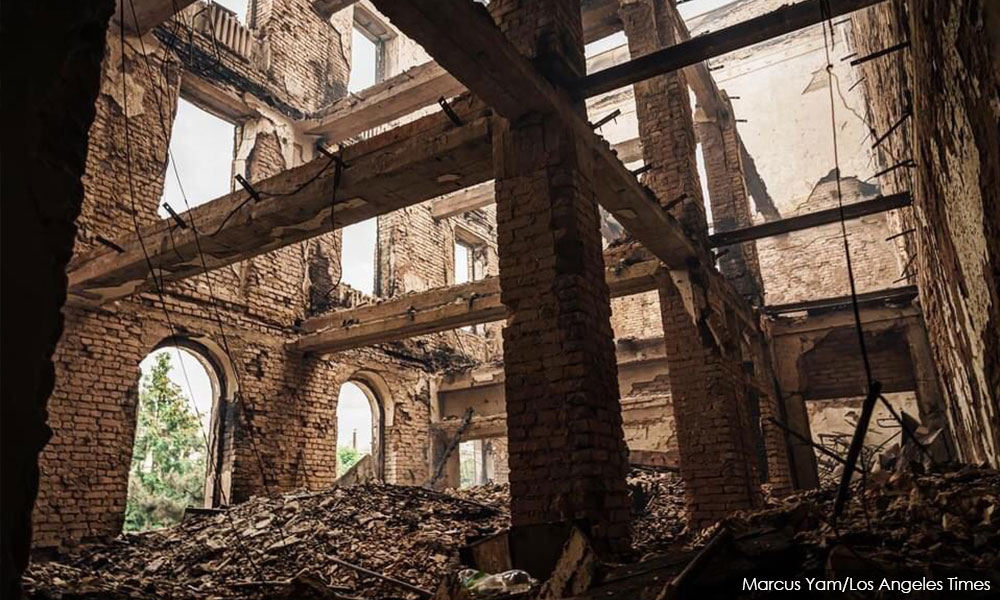
Eventually, I outgrew my role in Seattle. It had only been a year or so into my job. Right around the same time, I met Calvin Hom, the director of photography at the Los Angeles Times and he recruited me to come and work for him. The rest is history.
I have been here since and come this October, for as long as I am still employed, I’ll mark eight years with this fantastic institution. In short, moving to the Los Angeles Times was the best thing that ever happened to me.
I don’t do this for the Pulitzer prizes or other recognitions that come with it. Sure it is a nice token of appreciation.
The bosses love it. But what we do is considered public service. If you can’t get out of bed to do a story that won’t win a prize, then you have to ask yourself 'why are you a journalist?’
In Afghanistan, I wasn’t thinking of anything more at that moment, other than, how can I do this safely, and how do I document this thoroughly, as a permanent record in history?
The year 2017 was an eventful one. But one memory stood out: when Darl Snyder, a reader, sent me an American flag in the mail. I was on assignment overseas when I got an email from my equipment manager asking me if I bought a television and had it sent to the office.
I chuckled at the idea and thought it was a practical joke being played on me. I don’t usually get correspondence from readers. As a photographer, we’re accustomed to being invisible, in-and-out of people's lives, witnessing moments and observing conflict.
While sitting in an abandoned building, I read the transcript of Snyder’s letter and teared up. It reminded me of the special privilege we have as photojournalists.
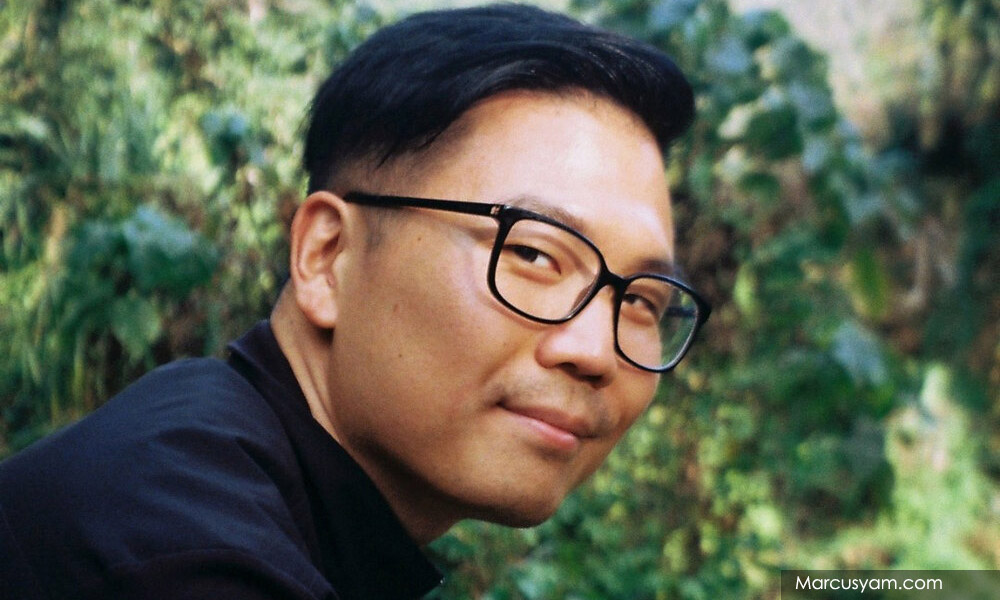
When I returned to Los Angeles, I found the package waiting for me and decided to put it on display outside our photo department for visitors and the rest of the newsroom to share.
But I had never met Synder. So on the anniversary of the destructive and deadly Erskine fire, I decided to return to Lake Isabella to pay him a visit.
And when we finally met, we talked, talked, and talked – about what happened during and after the fire, about the kindness of strangers and how he managed to send the flag by mail. He was thankful for all the information and reports we published during the Erskine fire.
I remember blushing when he proudly showed me where he hung the picture that I took, framed above his television in the living room.
As I was departing, we stood outside his gate – adorned with a new flag and we decided that we needed a picture together. After I left, another brush fire broke out near Lake Isabella and I was hurling my way toward it.
Gun violence is a systemic issue that has a tragic ripple effect all across the United States. It’s a complex issue in America, one that polarises people and their opinions.
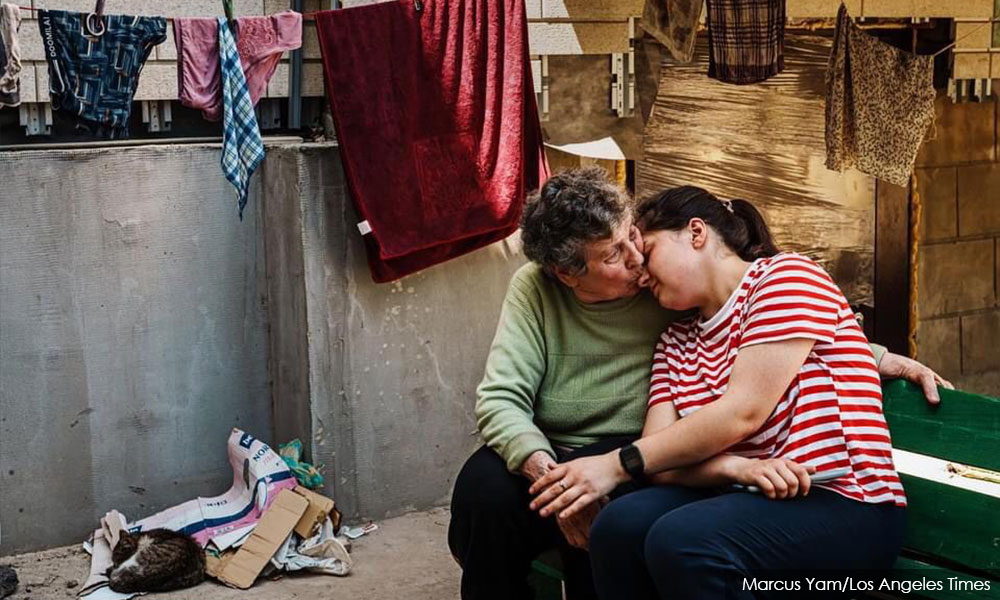
I only spent the first few months of 2020 covering Covid-19 in Hong Kong, China, California, and then Mexico. It was gruelling and exhausting. Nobody knew anything and we were constantly walking into the unknown at the time when this virus was first in the news.
When I am not working, I study how I organise and pack. I unpack my gear, and go through them. Make checklists. Organise those checklists.
Repack the gear in an optimum way for ease of use. Think of possible emergencies I could be facing in the near future. Think about the things I need for those emergencies.
Pack. Repack.
Being ready essentially puts my mind at ease.
People have tried to tell me that it is necessary for Malaysians to leave the country to excel and for economic reasons. I am not really in the position to weigh in on this issue. But I’m not doing my job for economic reasons.
I think if you are resourceful and approach your dreams with some grit and hard work, anyone can make it work. They say, when there is a will, there is a way.
If my child wanted to pursue the same career, I would encourage them to follow their heart.
Looking back, my focus and passion in life have always been singular. I often times don’t allow room for much more. It's mostly black or white for me. At one point I was obsessed with playing games. I wanted to drop out of high school.
These days I approach things with the same singular focus. Understand your strengths and shortcomings. Do what makes you uncomfortable.
Go above and beyond. And always, be in pursuit of a meaningful life. Even if you can’t see the road ahead. Take the road less travelled.
As the phrase goes from my favourite movie 'Gattaca’, when one brother with natural limitations beats a genetically enhanced brother at swimming as far out as they can into the ocean, “You want to know how I did it? This is how I did it, I never saved anything for the swim back.”
Malaysianskini is a series on Malaysians you should know.
Previously featured:
Harpsichordist to the stars Ng Kah Ming strikes right chord
It's about creativity, not glamour, for screenwriter Yasmin Yaacob
Halal Hemp: Tengku Chanela leads the way for marijuana reforms
Rashid Salleh comes full circle with Iban sitcom Tembawai Kanyuk
Given a year to live, Swathi has just turned five
Underwater meadows: Jillian Ooi merges science and art to save seagrass
No job too small or big for writer, baker, undertaker Hasrul Rizwan
Law of science: From entomologist to environmental journalist


Report this comment
Are you sure you want to delete this comment?
This action cannot be undone.