



Radzi urges Putrajaya to stand firm on refugee returns, rejects vigilantism
Putrajaya MP Radzi Jidin said Malaysia should stand firm on sending refugees back to their countries of origin despite international pressure, a day after the United Nations refugee agency stopped registering new asylum seekers in the country.
The Bersatu vice-president also rejected vigilante action against foreign nationals...
Putrajaya MP Radzi Jidin said Malaysia should stand firm on sending refugees back to their countries of origin despite international pressure, a day after the United Nations refugee agency stopped registering new asylum seekers in the country.
The Bersatu vice-president also rejected vigilante action against foreign nationals.
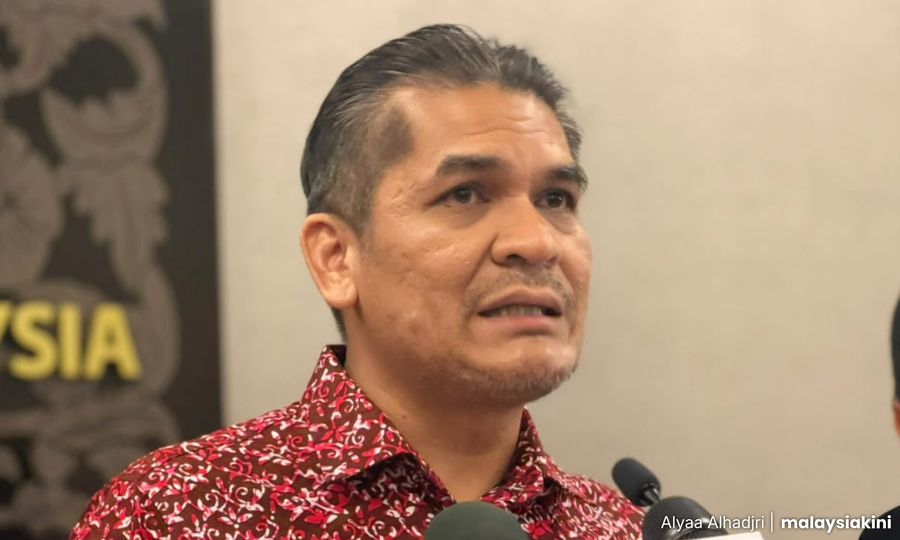
Asked about such actions, particularly against the Rohingya, Radzi (above) argued that some groups were taking matters into their own hands because they saw the government as failing to act.
“When the conflict continues and people see no action being taken, that pressure can push groups in the community to take matters into their own hands.
“I do not agree with them doing that, but the government must also show that it is serious,” he said during a press conference in Parliament today.
Radzi said enforcement was the responsibility of the government and its agencies, and that action by the authorities could ease tensions on the ground.
The United Nations High Commissioner for Refugees (UNHCR) ceased registration and documentation activities in Malaysia yesterday following Putrajaya’s decision to take over registration.
The agency said it would continue processing resettlement cases and supporting people with urgent protection needs.
READ MORE: Saifuddin points to UNHCR 'online registration' as 'root cause' of refugee issue
‘Speed up resettlement’
Radzi urged UNHCR to speed up resettlement to third countries, saying only 974 refugees had been resettled in the first half of the year.
He said Putrajaya should also use diplomatic channels, including Asean, to negotiate returns to countries of origin.

“The government should not be afraid of international pressure if it wants to send them back.
“The countries putting pressure on us should take in the people we want to send back.
“If you don’t want us to send them back, take them in. Otherwise, we have no choice,” the former education minister added.
Radzi cited Malaysia’s experience with Vietnamese refugees, saying many getting resettled in third countries while Malaysia negotiated the return of those who remained to Vietnam.
He also urged Putrajaya to seek access to UNHCR’s registration records to establish who was already on its list and verify that new registrations had stopped.
The Home Ministry’s Refugee Registration Document (DPP) programme began in January with people held in immigration detention.
The ministry said only those already in Malaysia before Jan 1, 2023, could be considered for the programme.

Earlier today in the Dewan Rakyat, Deputy Home Minister Shamsul Anuar Nasarah acknowledged that gaps in documentation and biometric records posed challenges for authorities.
He was responding to Muar MP Syed Saddiq Syed Abdul Rahman, who asked whether those gaps made it harder for police to investigate cases involving refugees and asylum seekers, and for courts to convict those charged.
Citing police figures previously raised in the Dewan Negara, Syed Saddiq said 1,072 of the 1,100 refugees and asylum seekers reportedly linked to crime in Malaysia were Rohingya.
“The challenges the honourable member (of the house) mentioned do exist,” Shamsul said, adding that the ministry’s measures were guided by existing laws.
Talks with Myanmar
Malaysia sent 1,476 people back to Myanmar on Sept 29 in the first phase of a bilateral arrangement covering 5,000 people.
The Home Ministry said those returned had consented and that Myanmar had agreed to receive them.
Prime Minister Anwar Ibrahim told the Dewan Rakyat on Oct 6 that no Rohingya were among the group and that their return remained under discussion.
Two days later, Anwar met Myanmar leader Min Aung Hlaing in Putrajaya.
READ MORE: COMMENT | Welcoming Min Aung Hlaing a betrayal of Myanmar's victims
After the meeting, Anwar said Myanmar was willing to take back its nationals in large numbers at its own expense, subject to verification and further discussions between the two countries’ ministries.
In a parliamentary reply reported on Tuesday, the Home Ministry said Malaysia was continuing talks with Myanmar to verify nationality, arrange travel documents and secure agreement for the return of its citizens.

The ministry said 12,176 Myanmar nationals had been sent back as of Oct 31 this year, including the Sept 29 group. The figure covered Myanmar nationals across ethnic groups.
UNHCR warned in September that conditions in Myanmar remained unsafe for refugees to return and said any return should be voluntary, informed, safe and dignified.



Report this comment
Are you sure you want to delete this comment?
This action cannot be undone.