



Research centre to ensure Indians who helped build M'sia are not forgotten
The Malaysian Indian Research Centre (MIRC) has been established to document and preserve the contributions of the Indian community to the making of modern Malaysia, ensuring that a significant part of the country's history does not disappear into the fog of time.
More than an exercise in nostalgia or an attempt to reclaim a place in history, the initiative is being framed as an act of historical justice, national recognition and identity preservation.
The centre will serve as a national repository, undertaking research, archiving historical records, collecting oral histories and documenting architectural timelines.
The intention is to take these findings beyond the confines of archives and history books by incorporating them into national museum exhibitions and school curricula, so that future generations understand how Indian pioneers helped shape the country.
From clearing virgin jungles and laying roads and railway tracks to building public infrastructure and turning isolated estate settlements into thriving towns, their contributions were woven into the foundations of modern Malaysia.
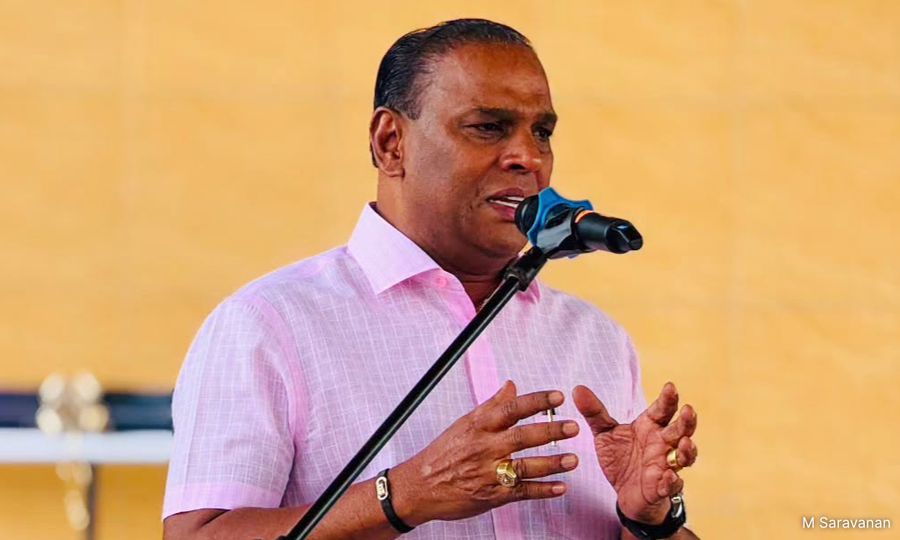
MIC deputy president M Saravanan, who will chair the centre, warned that history which goes unrecorded can fade within two or three generations.

“Without rigorous, verified documentation, the monumental sacrifices of hundreds of thousands of Indian pioneers who laid the physical foundations of modern Malaysia risk being overlooked or written out of the national story.
“Documenting these historical records is essential to ensure younger generations remain acutely aware of the hardships endured and contributions made by our forefathers,” he said in a statement.
Saravanan said every community had played an indispensable role in building the nation. By putting the Indian community's contributions on record, backed by empirical evidence, he said, the MIRC would provide the strongest institutional response to narratives that questioned or sought to diminish its deep-rooted place in the country.
Transformational labour
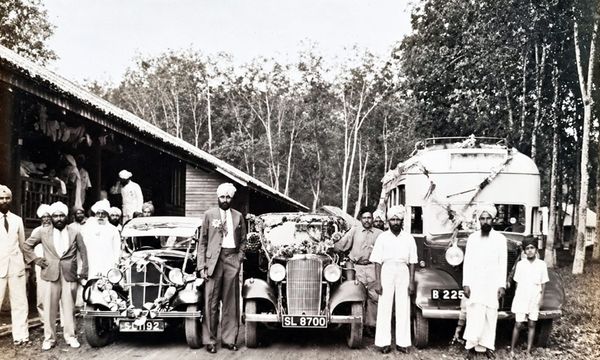
One of the centre's key priorities will be documenting the period between 1881 and 1939, when hundreds of thousands of labourers from South India, predominantly Tamils, were brought to Malaya through the Kangani network and indentured labour schemes to work in an economy that was rapidly taking shape.
Their labour helped transform the landscape of the peninsula. They cleared dense tropical forests, often by hand, and laid thousands of miles of trunk roads and railway tracks for the Malayan Railway, connecting inland tin mines and sprawling estates to coastal ports.

“Working under the Public Works Department (PWD) and municipal boards, they constructed Malaya’s earliest public administrative offices, urban sanitation systems, civic waterworks, and federal hospitals.
“Enduring hazardous conditions, tropical diseases, and social isolation in remote quarters (kuli lines), estate workers propelled Malaya into becoming the world’s leading exporter of natural rubber,” Saravanan said.
According to the former minister, the MIRC would ensure these “silent, uncredited sacrifices” are preserved as an enduring part of Malaysia's shared nation-building story.




The people who built our roads, laid our railway tracks and worked the rubber estates should have been in our history books long ago. Which brings me to the obvious question. MIC spent six decades in government. Saravanan himself held federal office. What stopped them from doing this when they had the power to get it done? And why has it suddenly become a priority with another election on the horizon? In my view, Pakatan Harapan has done more for Malaysian Indians in a much shorter time. MIC is welcome to dispute that. Show us the record. Tell us what you delivered when you had ministers, deputy ministers and a seat at the table. For too long, MIC has pushed the idea that Malaysian Indians are under siege and that only MIC can speak for them. So what did the party do, with all those years in government, to tackle gang recruitment and give young people a way out? And what did it do for the ordinary Malaysian who gets turned away when applying for a job, renting a home or even booking a short stay because someone sees an Indian name and makes up their mind? Put our forefathers’ stories in the history books. They earned their place there. Their grandchildren are still trying to get a fair chance here. What did MIC do with sixty years in power to give them one? Don’t even get me started on the crime rate among Indians, gangsterism and loose morals which has caused children to be abandoned.
Hello Brother, don’t waste your time here. Please concentrate on your alleged corruption case first. Please don’t divert people from your case.
Good intention but will it sustain!
Report this comment
Are you sure you want to delete this comment?
This action cannot be undone.