


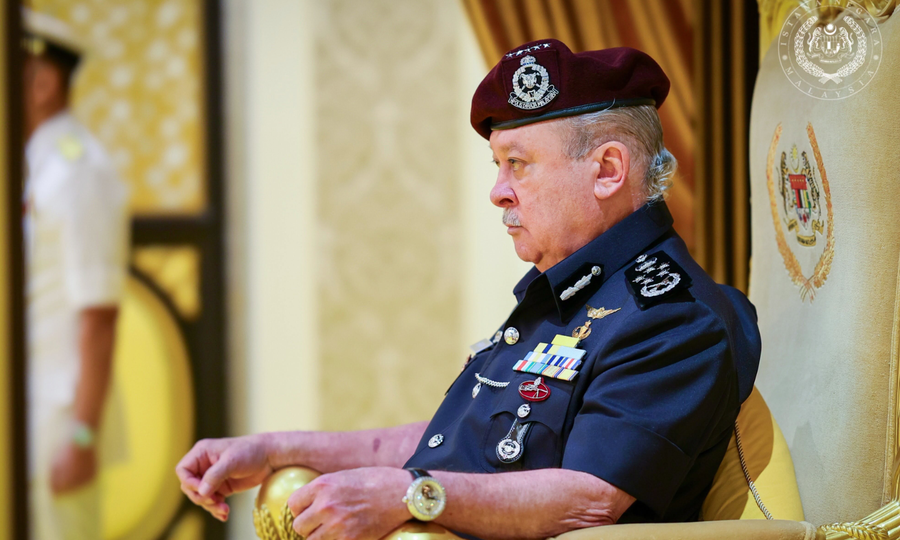

COMMENT | Can the king disregard the Pardons Board's advice?
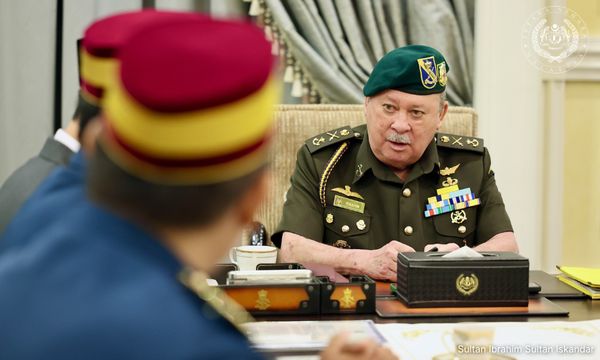
COMMENT | Malaysiakini reports that the declassified minutes of the Federal Territories Pardons Board hearing confirm that the Yang di-Pertuan Agong assented to former prime minister Najib Abdul Razak’s house arrest despite objections from board members.
Since the Malaysian Bar is challenging the legal validity of allowing Najib to serve the remainder of his jail sentence in the SRC International case, I have no intention of commenting at length on the issue.
Instead, my focus, as usual, is strictly on the broader legal and constitutional implications of this development.
Specifically, this raises two fundamental questions in constitutional law.
First...
COMMENT | Malaysiakini reports that the declassified minutes of the Federal Territories Pardons Board hearing confirm that the Yang di-Pertuan Agong assented to former prime minister Najib Abdul Razak’s house arrest despite objections from board members.
Since the Malaysian Bar is challenging the legal validity of allowing Najib to serve the remainder of his jail sentence in the SRC International case, I have no intention of commenting at length on the issue.
Instead, my focus, as usual, is strictly on the broader legal and constitutional implications of this development.
Specifically, this raises two fundamental questions in constitutional law.
First, can the king legally disregard the advice of the Pardons Board? Second, what are the wider constitutional ramifications if he does?
READ MORE: Declassified: Agong wanted house arrest for Najib despite objections
This issue brings to mind the earlier court battle over the legal validity of the royal addendum concerning Najib’s house arrest issued by the previous Yang di-Pertuan Agong.

I can vividly recall the senior federal counsel arguing, among other things, that the addendum was issued outside the required procedural framework, thereby calling its validity under the Federal Constitution into question.
Remarkably, the government also relied on the Pardons Board meeting minutes in that case to establish the addendum’s legal validity.
Anyway, this issue also sparks debate over the true boundaries of the king’s power within a framework built on constitutional monarchy and constitutional supremacy.
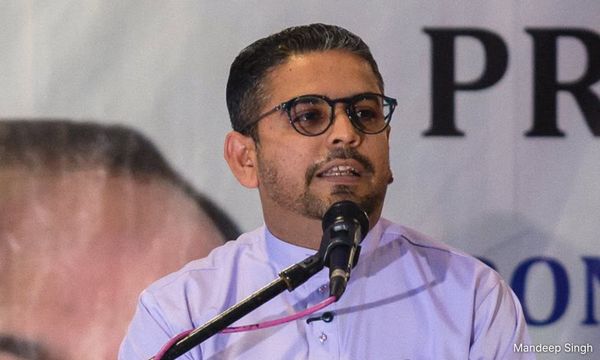
MOHAMED HANIPA MAIDIN is a former deputy minister of law.
The views expressed here are those of the author/contributor and do not necessarily represent the views of Malaysiakini.



Recall the last hooha over the addendum. Challenged, it fail to stand up legally. And now we have this new revelation, once again making a mockery of this country and its institutions. This also says much about the lack of respect of certain political parties for laws and processes in Malaysia. Clearly, losing the last elections has not led to any progress within these parties. Expect worse forms of corruption to emerge. Bersih, time to wake up.
The simple answer is that the King cannot disregard the Pardon's Board advice according to Article 40(1A) of the Federal Constitution (added in 1994) alongside Article 42. According to it, the King must accept and act on advice when exercising constitutional functions and cannot act outside the Pardons Board framework.
Problem is that you always think that you can outsmart others. We all are just humans and you included. There would always be a flip side to everything and certainly not legal on all odds and sundry. Wisdom is key here.
Report this comment
Are you sure you want to delete this comment?
This action cannot be undone.