


/file/publisher-c1a3f893382d2b2f8a9aa22a654d9c97/2023/04/96b72fab8552b79af3e023579d62a919.jpg)

After victory over dam and loggers, Orang Asli activist takes on Putrajaya
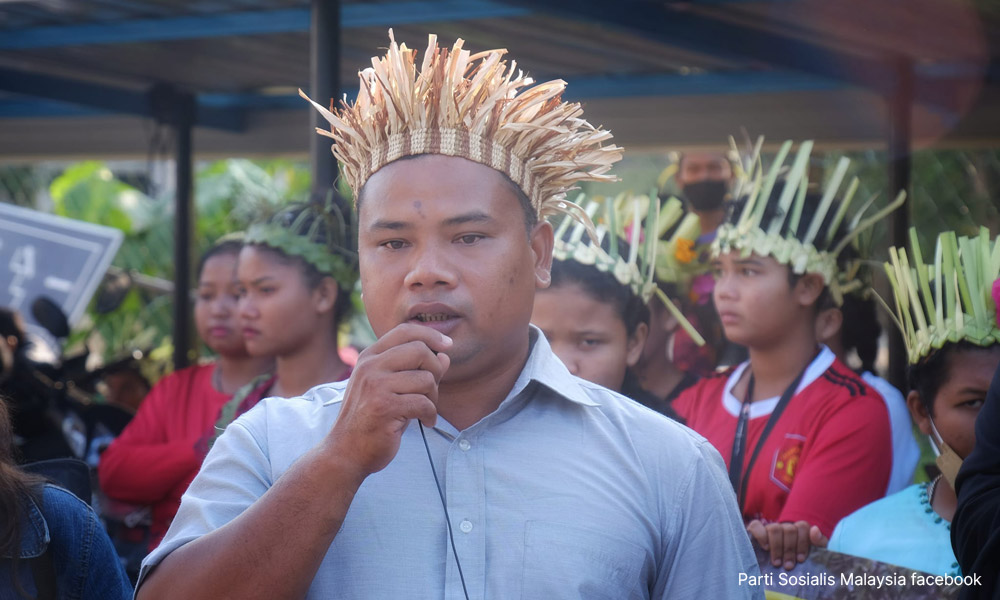
MALAYSIANSKINI | The Orang Asli villagers of Kampung Pos Lanai in Kuala Lipis headed to the Temerloh High Court last Monday, as their civil action against Putrajaya and the Pahang government went to trial.
The villagers’ action is against what they deem to be the federal and state governments’ encroachment on their land.
“Today we have emboldened ourselves to testify in court,” said Pos Lanai Orang Asli Land and Territories Action Committee chairperson Jeffry Hassan outside of the court.
This is not the 36-year-old’s first rodeo.
In 2019, under Jeffry’s leadership, the community won their battle against...
MALAYSIANSKINI | The Orang Asli villagers of Kampung Pos Lanai in Kuala Lipis headed to the Temerloh High Court last Monday, as their civil action against Putrajaya and the Pahang government went to trial.
The villagers’ action is against what they deem to be the federal and state governments’ encroachment on their land.
“Today we have emboldened ourselves to testify in court,” said Pos Lanai Orang Asli Land and Territories Action Committee chairperson Jeffry Hassan outside of the court.
This is not the 36-year-old’s first rodeo.
In 2019, under Jeffry’s leadership, the community won their battle against the Telom Dam, when the Pakatan Harapan government scrapped the project, which threatened to send their village underwater.
This was after the community won an injunction against the dam and amid the Cameron Highlands by-election campaigning period. It was also after Jeffry sent a memorandum of protest to then minister Yeo Bee Yin.
Since then, the community has driven away illegal loggers and prospectors, and recently steeled themselves for another fight against what could be a rare earth mine the size of 924 football fields in their midst.
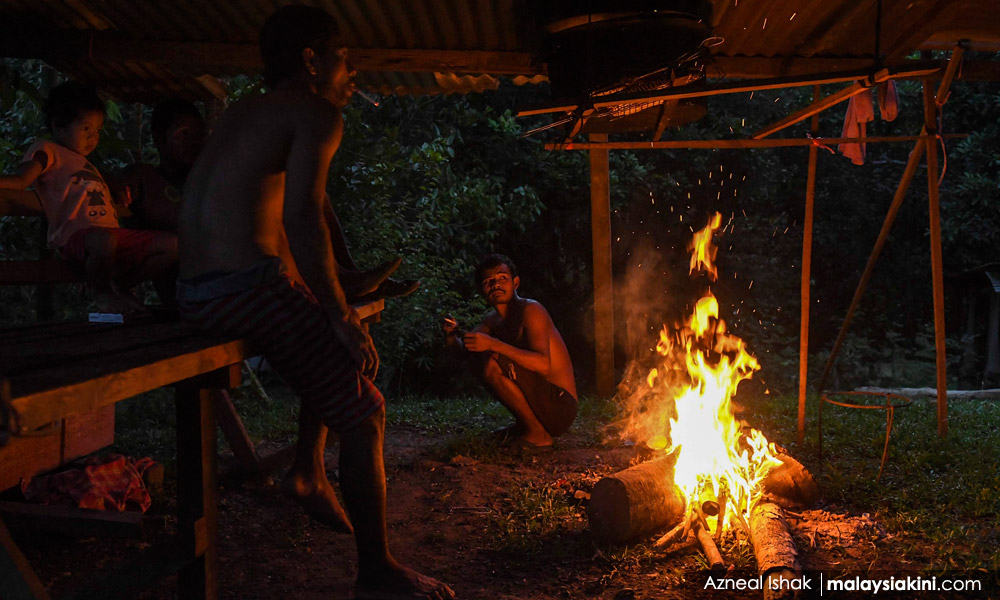
In 2020, between Covid-19 lockdowns, Malaysiakini visited Pos Lanai to report on deforestation-linked human-elephant conflicts, which led to food shortages in the village during the period.
There, the portal also sat down with Jeffry to speak about his David v Goliath story of fighting against the Telom Dam and the subsequent encroachments into the community.
The interview is published today, in light of Pos Lanai’s civil case.
This is Jeffry’s story in his own words (edited for clarity, brevity and flow).
I WAS 25, living and working in Kuala Lipis in 2012 when I heard that a dam was going to be built near my village, Pos Lanai. I wanted to help my community so I returned to the village to get involved in any resistance.
I COULD NOT REFUSE when the community appointed me chairperson of the working committee, because in our village, we have others who have higher education, and some work for the government, but none of them stands by the community. It is always the community who is forward in defending their rights.
BEFORE WE KNEW ABOUT THE DAM, there was a resettlement project. The school was also moved to Kampung Pantos. Many villagers moved because they had school-going children.
The villagers were told they could move back and forth between there and the old village to collect their harvest and so on. So the villagers saw the new homes as transit homes. But after they moved, they found out about the plans to build a dam.
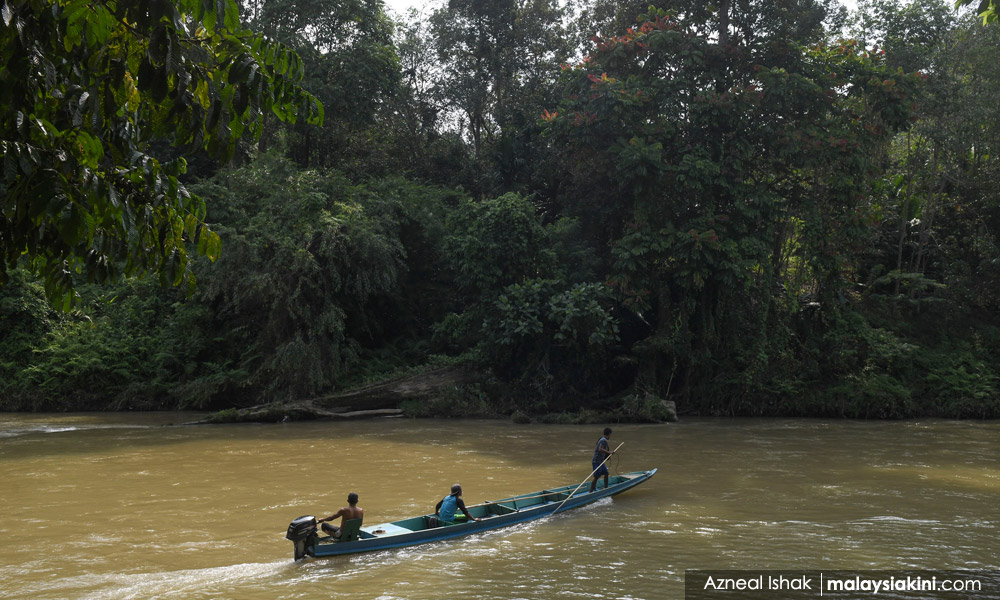
TO ME, THE RESETTLEMENT PROCESS WAS A RUSE. We learnt about the dam through a confidential letter, which some friends in government agencies shared with us. The relevant authorities were not transparent. They never engaged the community about this dam project but were planning it under wraps.
WE DECIDED WE SHOULD WRITE A LETTER (of protest) to relevant agencies, like the state government and Tenaga Nasional Berhad (TNB), at the national and state level. So we did, and we went to the agencies to deliver the letters but there was no response. Actually, TNB did respond but only to say how good the project is, not the impact on the Orang Asli.
The response was disheartening to us, so we decided to write to the prime minister. We went to the Prime Minister’s Office in Putrajaya to deliver the letter. At the time Najib Abdul Razak was the PM, but he didn’t come to see us. We gave the letter to his officer.
THERE WAS NO RESPONSE from the PM’s Office either and in the meantime, TNB started conducting surveys on our land to see how much they need to compensate us. There were also other surveyors seemingly doing a study on support. But we saw instead of just surveys, they were also trying to convince the villagers about the project.
THINGS GOT HEATED when we tried to stop the surveyors. Police were called in. They told us we cannot stop the surveyors from doing their work. This angered me so I told the police officer that we will take him to court. I don’t know why I made that threat, but I had lost my patience. After that, the police took a softer approach and told us they were neutral and not siding with anyone.
IN OTHER ORANG ASLI RESISTANCE, there have been blockades and physical altercations, but our committee chose to avoid this. This is because not everyone in the village supports the cause and the committee did not want to endanger people and risk arrests. Because this was the committee’s stand, I had to find other ways to fight back. This is how we ended up taking legal action.
I AM NOT HIGHLY EDUCATED but I have many friends in NGOs and political parties. I also think laterally and widely (berpandangan luas). I thought of who I could recruit to help. I would think, ‘This person would be useful to spread this issue to the wider public’, for example. There were people who helped raise the issue on social media and even Malaysiakini and other media reported it. Without the media, outsiders would not have known about this issue.
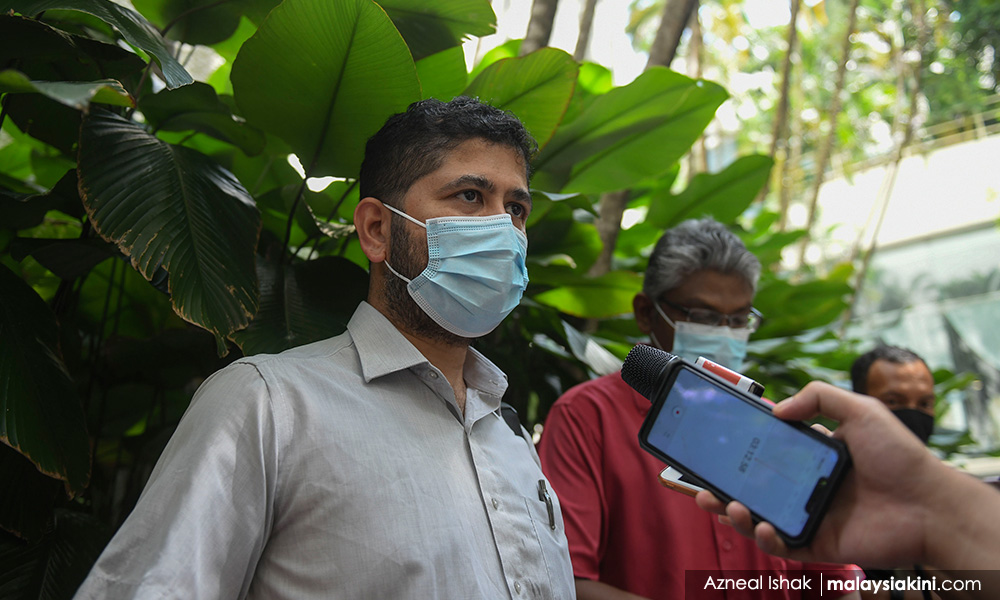
I also have a friend in Cameron Highlands named Suresh (Kumar Balasubramaniam) from PSM. He helped us from the start and I will never be able to repay him. He helped in terms of our formal correspondence and he was the one who guided us on how to file a court case (against the Telom Dam project).
WE FILED THE CASE IN THE KUALA LUMPUR HIGH COURT and I was one of the plaintiffs. There, we won an injunction to make TNB stop any work on the project. But after that, TNB filed to move the case to the Temerloh High Court. We were dejected by this, because previously the Orang Asli had lost in a land rights case in the Temerloh High Court so we feared the court would rule against us, too.
VICTORY CAME with the change of government after the 14th general election. Actually, in GE14, I was involved in campaigning for Pakatan Harapan and PSM, so in turn, they helped me with this cause. They helped lend their views and send our letters to those in power.
People in power were also more accessible (in the Harapan government). At the time Yeo was the minister in charge of the environment, and I sent a letter to her in Parliament. When she received it, she said, “Okay, we will try to cancel this project.”
The Cameron Highlands by-election happened soon after that and she came to Kampung Pantos to announce that the dam project was cancelled. The community was overjoyed.
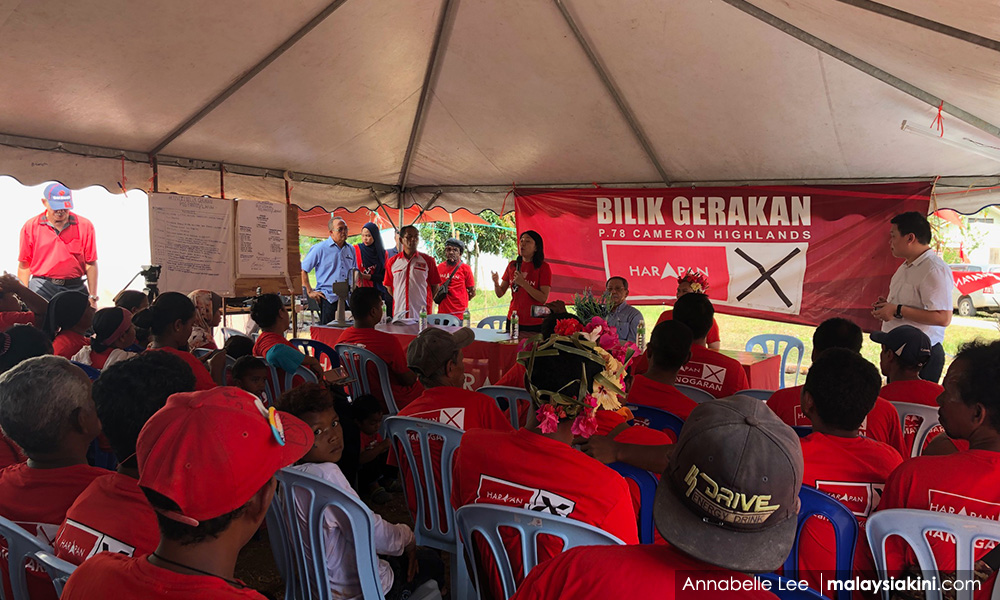
I DON’T CONSIDER MYSELF A HERO. In fact, I believe the whole community is a hero. I feel proud, not just of myself but of the community because this could not have happened without their support. It was a long journey and there were times I felt we would not succeed but we left it to God.
IT WAS DIFFICULT FOR ME during the struggle because I had no experience writing letters and all that. I am not highly educated. But I told myself to just try. I moved forward because of the high hopes and spirit of the community. They placed their hopes in me so I had to do it.
When I was younger, my teacher told me, “You must know how to read. You don’t have to become very smart, but you need to know how to read because one day, some outsider will come and give you a letter and you won’t know what it says.” I always think about this. My teacher was right.
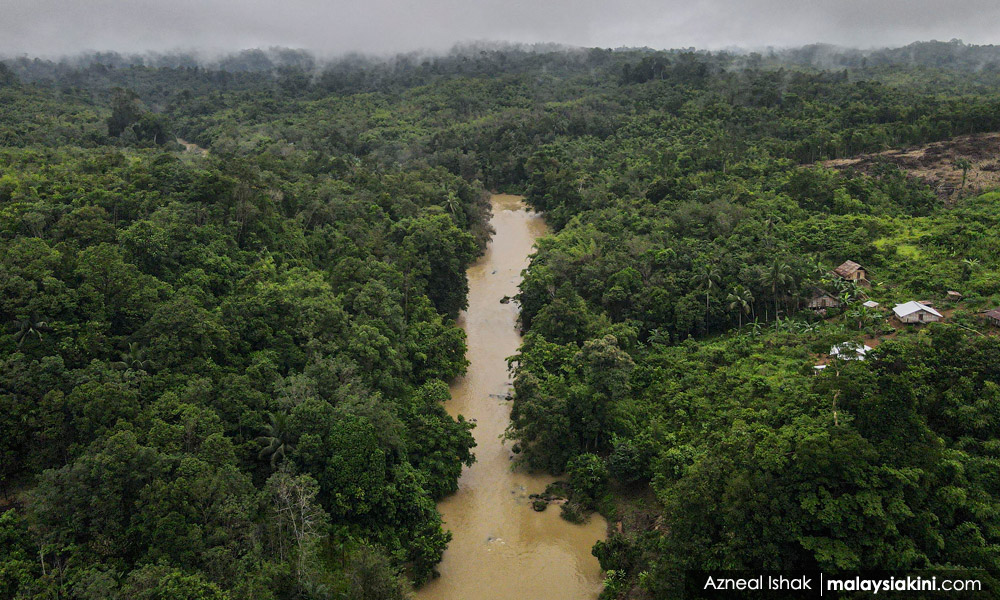
I CANNOT TURN MY BACK ON THIS STRUGGLE because our lives are tied to the land and its resources. If we lose our land, what will happen to the current generation (of children) and their children in the future? The land is inherited from one generation to another.
THE DAM PROJECT CAUSED A SPLIT IN THE COMMUNITY. Many villagers supported it because they believed in TNB’s sweet promises. Even to this day, the community is not the same. Some still bermasam muka (unhappy) with the other.
Some in the community said we shouldn’t go against the government because the government has helped us. Some also feel upset because the compensation promised to them was quite high.
But they don’t realise the loss is even greater. I was thinking of our rights and how this could affect the next generation and how they will live. So I think it’s worth it.
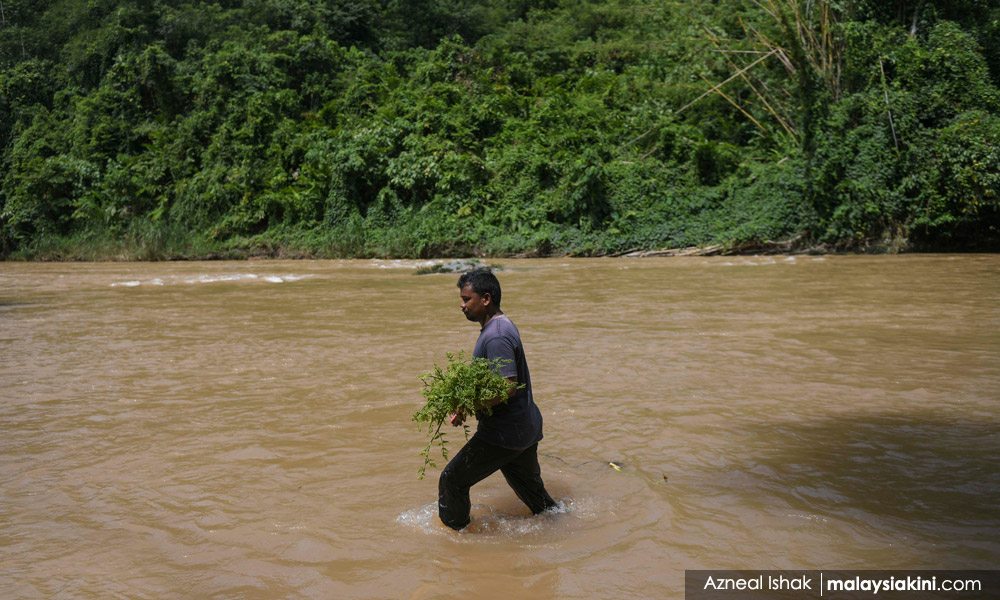
HAVING THE COMMITTEE ENCOURAGES THE COMMUNITY TO FIGHT BACK. Recently a villager on patrol noticed the river was murky. The committee monitored the area and found a bulldozer by the river, so we went there and drove the loggers away.
The loggers didn’t have a permit. In my experience, what loggers do is open up tracks to the logging site even before they apply for a logging permit from the state government. So in this case, I acted first and reported it to the Natural Resources Ministry and action was taken against the logger immediately.
We have also done our community mapping where we know the boundary of our hutan rayau (roaming forest) which we use to forage. When the community forages, they will monitor the area for signs of logging or even mining.
To enter our area, one must get permission from the village chief. Recently we spotted outsiders who entered to conduct a survey. We sent them away and lodged a police report. That’s how we protect the village.
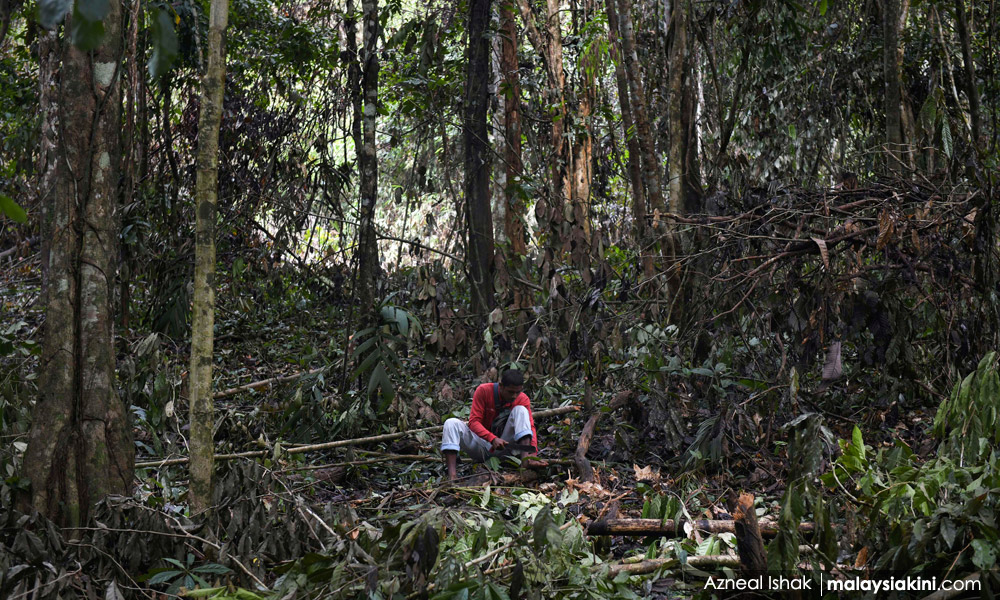
SOME THINK THE ORANG ASLI MUST LEAVE THE FOREST and live in cities to advance. But we believe the forest is better. And even if I live in the city, once I retire, I’d want to return to the village. If everything has been logged or a dam is built, there will be no village to return to.
Our economy is also affected by logging. I rear fish in ponds, but most people here rely entirely on their small farms and orchards, rubber smallholdings, and foraging. This will also be affected if there is logging and mining.
THERE IS NOW PROSPECTING FOR (RARE EARTH) MINING HERE. The mine is expected to be more than 60ha, and to do that they have to clear the forest completely. Then they have to dig up the earth.
If the mine is upstream, the river will be affected, impacting not just the Orang Asli. This river feeds (Pengurusan Air Pahang Berhad’s) water treatment plant. There have already been Orang Asli deaths believed to be from consuming water from a river poisoned by mining (in Gua Musang, Kelantan).
The people looking to do this know the impacts but they just go ahead and wait to see if the Orang Asli put up a fight. If not, they’ll just proceed.
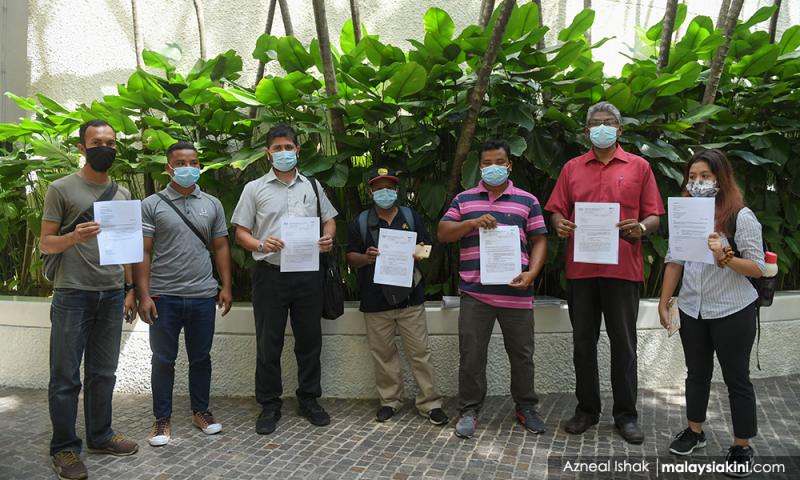
I DO FEEL TIRED OF FIGHTING but no matter what, we have to fight. So far, there is no one yet who can take over as chairperson of the committee so I continue.
There are many Orang Asli youths fighting to protect our rights. The youths are fighting against logging, or in Perak and Kelantan, against large dams. And if they ask me for help or guidance, I’m ready to help.
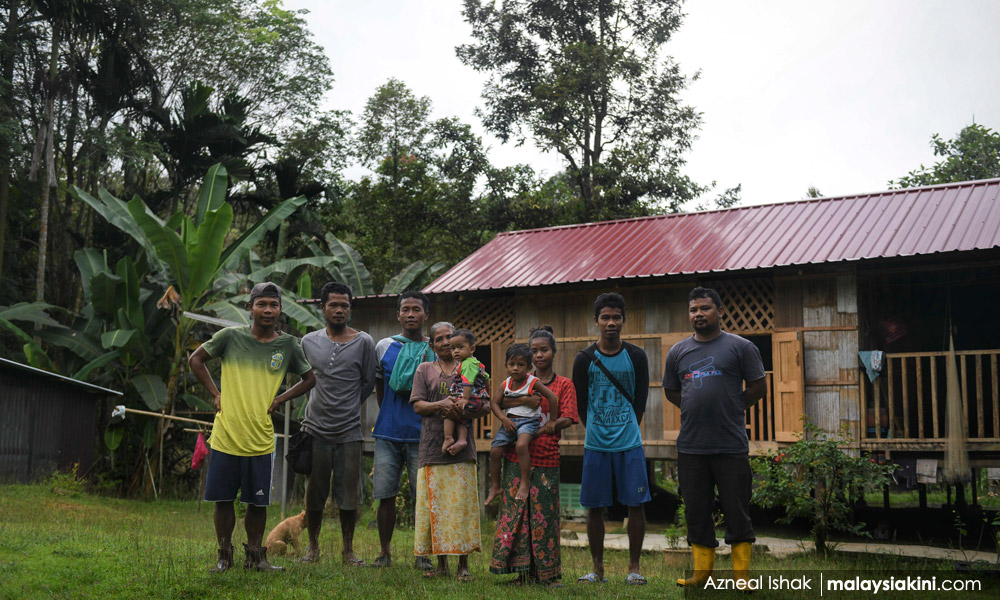
MY HOPE IS FOR MY THREE CHILDREN and the children in this village to continue to live here and continue the struggle to protect the village. The struggle is not just for today, it must persist.
The Orang Asli children now are experiencing a different childhood than I did. When I was a child, we had the most fun just playing in the village. Today, they are more exposed to social issues out there. For example, many of them have picked up smoking.
THE ORANG ASLI CUSTOMS START TO ERODE when they are resettled, but many Orang Asli feel they have to move so their children will get an education.
My children only return to the village during school holidays and weekends. But it is up to us, the parents, to make sure there is a balance between schooling and cultural knowledge.
One way is to make sure they speak the language. My children speak Bahasa Malaysia in school, but with each other, they speak the Semai language.
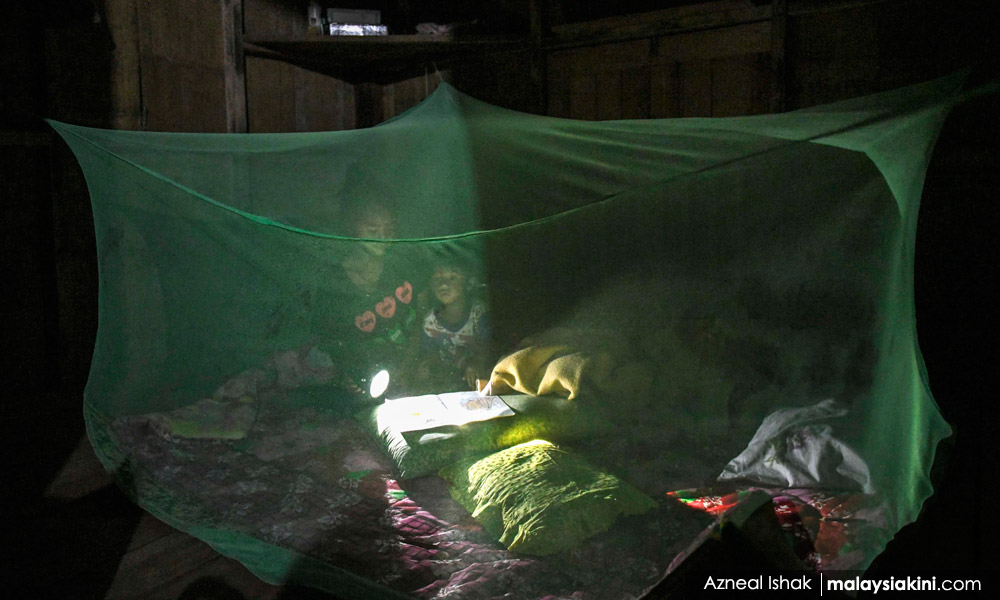
ORANG ASLI RESETTLEMENT IS INCOMPATIBLE WITH OUR BELIEFS AND CUSTOMS. In our belief, we cannot live too close to each other. We believe this would cause illness among us, and true enough many people have passed away after moving to the new settlement.
The hospital says they died of heart ailments and so on, but we believe when we live too close together, the area becomes “panas” (hot), causing illnesses. But our customs and beliefs are not considered in the resettlement policy.
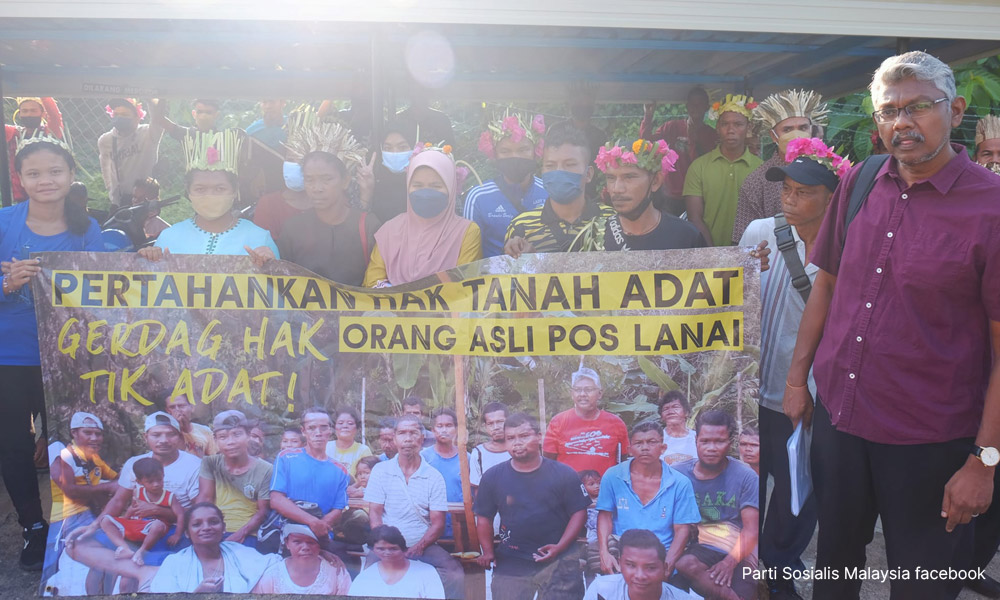
THE ORANG ASLI ARE NOT ASKING FOR ANYTHING other than to let us live our lives on our land. Build a school, a clinic and so on in the village, but don’t resettle us elsewhere. Bring development to where we are living, not move us out. Sending us away from our land is like killing us.
MALAYSIANSKINI is a series on Malaysians you should know.
/file/publisher-c1a3f893382d2b2f8a9aa22a654d9c97/2023/01/8ecd9ceb1e1c221387615bb3f7a18ddb.jpg)
/file/publisher-c1a3f893382d2b2f8a9aa22a654d9c97/2022/12/002defcf4f4e59d62ec29c55491656e5.jpg)
/file/publisher-c1a3f893382d2b2f8a9aa22a654d9c97/2022/12/70c638f7a0fee54d21de673b9288a850.jpg)
/file/publisher-c1a3f893382d2b2f8a9aa22a654d9c97/2022/12/1d223856be1c3df4c37d0f0eae46c309.jpg)
/file/publisher-c1a3f893382d2b2f8a9aa22a654d9c97/2022/12/3924a1f2e193c960f75131332f1654ee.jpg)


Are you sure you want to delete this comment?
This action cannot be undone.