



Anwar: Public 'trained' to simply accept, differing views get labelled 'Dajjal'
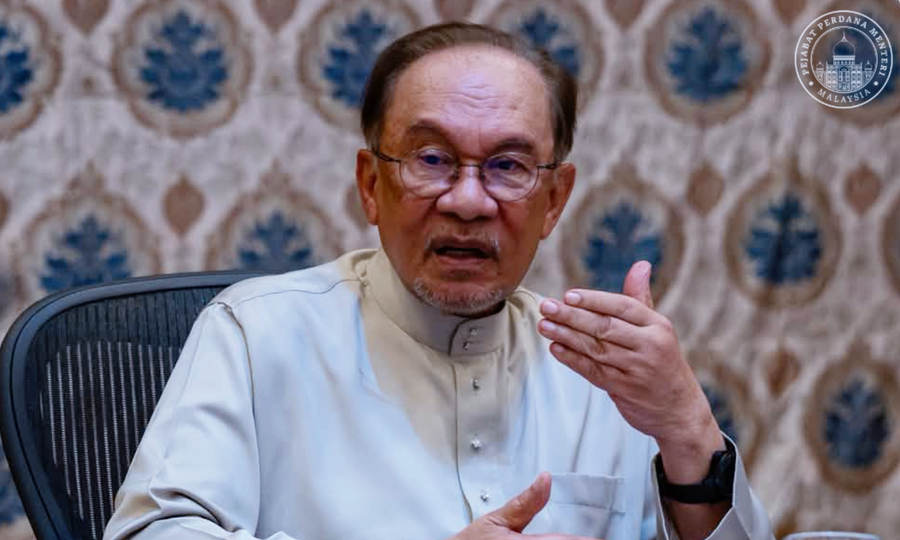
Prime Minister Anwar Ibrahim has urged the public to adopt a more critical approach in considering statements issued by religious and political figures, advocating against blind acceptance of remarks by any individual.
“If an opinion differs slightly, they are immediately labelled ‘Dajjal’ and nobody dares to correct them,” Anwar said on a special episode of RTM’s “Dialog Negara” programme tonight.
While the prime minister did not refer to specific individuals...
Prime Minister Anwar Ibrahim has urged the public to adopt a more critical approach in considering statements issued by religious and political figures, advocating against blind acceptance of remarks by any individual.
“If an opinion differs slightly, they are immediately labelled ‘Dajjal’ and nobody dares to correct them,” Anwar said on a special episode of RTM’s “Dialog Negara” programme tonight.
While the prime minister did not refer to specific individuals, PAS president Abdul Hadi Awang previously incited backlash after he linked the confidence and supply agreement (CSA) between the government and the opposition to the “Dajjal approach at the end of times”.
In Islam, the Dajjal is a figure associated with deception and leading people astray from their faith, who is said to emerge towards the end of the world. Hadi’s likening of the CSA to the Dajjal therefore casts the agreement as fundamentally evil and corrupting.
READ MORE: Iran, Ukraine, trade wars: Bersatu MP explains CSA support, wants full terms made public
In addressing a query from preacher and motivational speaker Izzhar Nazri on the national discourse show tonight, Anwar said that the present situation, which he characterised as lacking in debates and efforts to deepen knowledge, has tarnished Islam’s standing in society.

“When the label of ‘Islam’ is used, people don’t dare to criticise…I am not saying it is anyone’s fault, but we should not accept (statements) as if they are a mahaguru (and) mursyidul am - it is not right,” he explained.
Mursyidul am is PAS’ spiritual leader who heads the Islamist party’s ulama council and guides the party’s direction on religious matters.
Affirming that critical skills should even be applied to statements issued by the prime minister, Anwar stressed that beyond opposition figures, even statements from government leaders must have a strong basis grounded in knowledge.
Highlighting how Islamic practices emphasise curiosity and efforts to gain a better understanding of stances, Anwar claimed that such standards are not practised currently as the public has been “trained by certain quarters” to “simply accept” without holding to their own convictions.
“Yours is not to question why, but to do and die. Khalas (finished),” he said.
Mental health
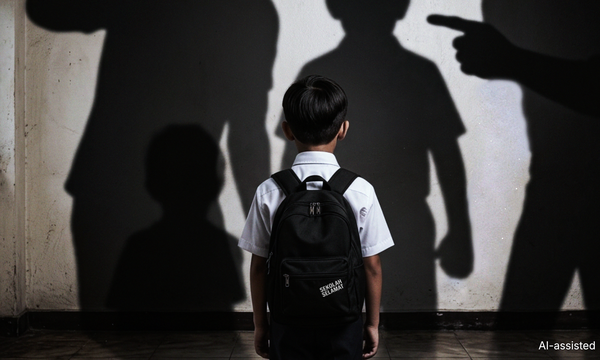
Separately, responding to queries from mental health platform PlusVibes’ founder and CEO Madiha Fuad, Anwar said the Education Ministry is looking into proposals to incorporate mental health education in schools.
While arguing that religious and moral studies should be prioritised, Anwar said the teaching of mental health matters must not be done in a way that is “too blunt” to avoid students turning away from such knowledge.

Underlining the role of parents in protecting their children’s wellbeing, Anwar said teachers and educational institutions must also play their part in raising awareness and tackling mental health issues early on to prevent more serious incidents.
READ MORE: Schoolgirl killings expose gaps in protection against gender-based violence
Teachers, he said, should not only execute their duty to educate students, but also act as counsellors, considering how it would cost “billions of ringgit” for the government to hire counselling personnel at every school nationwide.
Last month, PAS MP Dr Ahmad Yunus Hairi urged the government to consider improving measures aimed at instilling mental health literacy among teachers, amid violent incidents involving students in schools.
In response to the call, Health Minister Dzulkefly Ahmad affirmed that the Health Ministry and the Education Ministry emphasise increasing mental health literacy among students through “promotion, prevention, detection, and early intervention”.




If an opinion differs slightly, they are immediately labelled ‘Dajjal’ and nobody dares to correct them,” Anwar said on a special episode of RTM’s “Dialog Negara” programme tonight. didnt you scold a student for asking you something in a forum?
Where is Minister of unity , DG of Jakim and Mujahid of Amanah on this issue? All these leaders should voice their concern which divides Muslims to give support to PMX.
Hadi can promise the fools of “heaven”…what can you offer the fools?
Report this comment
Are you sure you want to delete this comment?
This action cannot be undone.